WIN WIN: Wind Powered Oil Recovery Concept Progresses
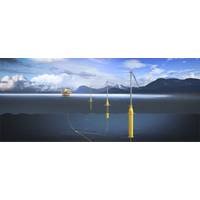
The DNV GL-led joint industry project, WIN WIN (WINd powered Water INjection), has completed its first phase and determined that wind power could be used to power offshore water injection. The project is currently moving into its second phase, which includes refining and testing the electrical systems, and investigating possibilities for broader applications. The project consists of four partners: DNV GL, ExxonMobil and ENI Norge – all part of the first phase – and the Norwegian Research Council – a new participant for this second phase. The first phase of the project determined
Norway's Rising Subsea Stars
. By using the recent developments of floating offshore wind turbines this concept can offer a clean, reliable, and cost effective alternative for powering water injection in offshore locations,” said Remi Eriksen, Group President and CEO of DNV GL. The costs for wind powered water injection have been compared with a conventional alternative where water is injected via a flow line from the host platform. While the WIN WIN technology has higher operational expenditures (OPEX) compared to a conventional alternative, the significantly lower capital expenditure (CAPEX) means that
Wind-powered Oil Recovery Project Green-lighted
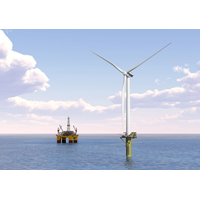
The DNV GL-led WIN WIN Joint Industry Project (JIP), which melds offshore wind with offshore oil and gas, shows that for suitable fields,finds that wind-powered water injection is technically feasible, capable of meeting performance targets and offers a cost-competitive alternative to conventional water injection solutions. For the past year, participants from both the renewable and oil and gas industries have worked together in the DNV GL-led WIN WIN (wind powered water injection) JIP to develop the concept of using floating wind turbines to power a water injection system in
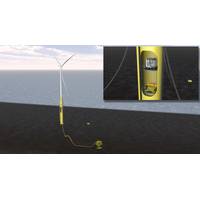
New EOR Concept: Wind Powered Water Injection
the cost of water injection, avoid costly topside modifications and reduce greenhouse gas emissions. DNV GL studies suggest there are opportunities for a new generation of autonomous injection systems used to increase the reservoir pressure. There are clear indications that such a wind-powered water injection system could reduce both CAPEX and OPEX and drive innovation of new technology. It could be installed without costly retro-fittings on the platform, provide access to systems normally located subsea, increase the flexibility of injection location and reduce the installation time. The system
 February 2026