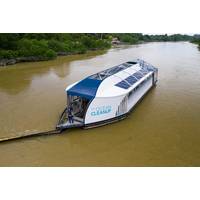
The Ocean's Microplastics Mess: Technology & Technique to Identify & Clean Up
,” said Penn. “We’re in this amazing position at the moment where there is a lot of awareness compared to a few years ago, but now we find people saying to us ‘OK, we get there’s a problem and we care about it, now what can we do?’”Founded in 2005, The 5 Gyres Institute takes on similar stance of using science to influence cultural and societal mindsets. Bearing the motto “science to solution,” co-founders Marcus Eriksen and his wife were inspired by the unknown reality of marine plastic pollution and spent years conducting research and collecting
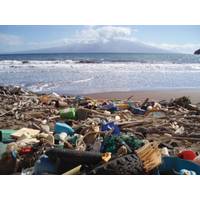
Report: Trash is Choking the World's Oceans
of the amount of plastic litter in the oceans - about 269,000 tons - based on data from 24 ship expeditions around the globe over six years. "There's much more plastic pollution out there than recent estimates suggest," said Marcus Eriksen, research director for the Los Angeles-based 5 Gyres Institute, which studies this kind of pollution. "It's everything you can imagine made of plastic," added Eriksen, who led the study published in the scientific journal PLOS ONE. "It's like Walmart or Target set afloat." Ninety-two percent of the plastic comes in the form of
 February 2026