Paramarine Software Used by DCNS
QinetiQ’s Paramarine ship and submersible design software is being used by DCNS to support development of both its French and international submarine projects. DCNS, who design, build and support submarines and surface combatants, is using Paramarine for both submarine stability and early stage design on projects such as the Barracuda, the latest generation of French nuclear submarines, as well as in the development of the Scorpène diesel-electric attack class submarines. “DCNS has been using Paramarine for early stage design and stability assessments for over ten years
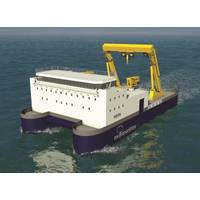
QinetiQ Software to Support Mojo Vessel
Strategy Board and the Mojo lead consortium involving Voith, DNV, Bauer and the University of Exeter. Construction is planned to begin in 2014. Mojo Maritime Ltd. will use the probabilistic damage analysis module, one of a number of new capabilities in the latest version of QinetiQ GRC’s Paramarine software - V8, which takes into account not only the vessel's stability when certain subdivisions of the ship are damaged, but assigns probabilities to various extents of damage and survivability when damaged. This is required as part of the design for all passenger and cargo vessels. qinetiq
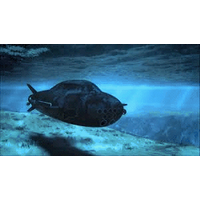
Paramarine Software used on New Submersible
QinetiQ GRC naval architects in combination with their Paramarine software are working with QED Naval Ltd in the development of a marine platform (Subhub) that is being designed to transport, install, anchor and maintain wave and tidal turbines through life. This will bring major cost and time advantages to tidal turbine field installations on the sea bed. QED Naval Ltd was founded in April 2008 with the intent of developing products for the wave and tidal renewable energy industry. Subhub is the first of these products. The primary benefits of the Subhub will be to provide an easy

 August 2026