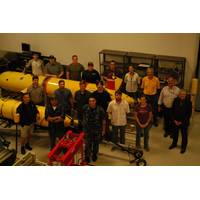
Unmanned Maritime Systems: Class in Session
novice, journeyman and expert levels. The inaugural class includes civilian and military personnel from the Naval Oceanographic Office, Fleet Survey Team and Naval Oceanography Mine Warfare Center based at Stennis Space Center; Naval Oceanography Special Warfare Center based in San Diego; Submarine Development Squadron 5 based in Bangor, Wash.; Naval Undersea Warfare Center based in Newport, R.I.; and the National Oceanic and Atmospheric Administration (NOAA) in based in Norfolk, Va. USM School of Ocean Science and Technology Directory Monty Graham said, “The University sees the Unmanned
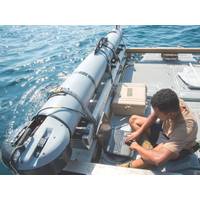
Unmanned Underwater Vehicles: Is Bigger Better?
Virginia class SSNs) via Large Ocean Interfaces (LOIs) such as the extended Dry Dock Shelter (DDS) and the Universal Launch and Recovery Module (ULRM). The Navy plans to utilize dedicated and specifically trained Sailors from an unmanned undersea vehicle detachment (Det. UUV) at Commander, Submarine Development Squadron 5 located at Bangor, Washington. Eng said the Sailors will be specifically trained to conduct mission planning, and will embark supporting host platforms in support of launch and recovery operations. In fact, missions for some large unmanned vehicles, like the DARPA ACTAUV
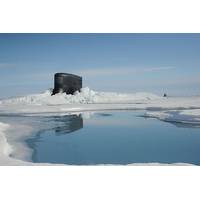
US Navy Sub Completes Arctic Deployment
exceptional job; they had an accelerated fleet readiness training period so they were really pushed to get all of their preparations, training and certifications done before deployment, including preparations for the very challenging Arctic transit," said Capt. Douglas Perry, commander, Submarine Development Squadron 5, from Alexandria, Virginia. "Arctic transits are important, not just for us to be able to keep our fleet assets around the globe, but it also give us an opportunity to maintain undersea dominance of the Arctic spaces, an area that is very challenging and is changing dramatically
 February 2026