Explorer Matt Rutherford to Attempt Solo Unassisted Nonstop Circumnavigation of the Arctic Ocean


-
 © Ocean Research Project
-
 © Ocean Research Project
-
 © Ocean Research Project
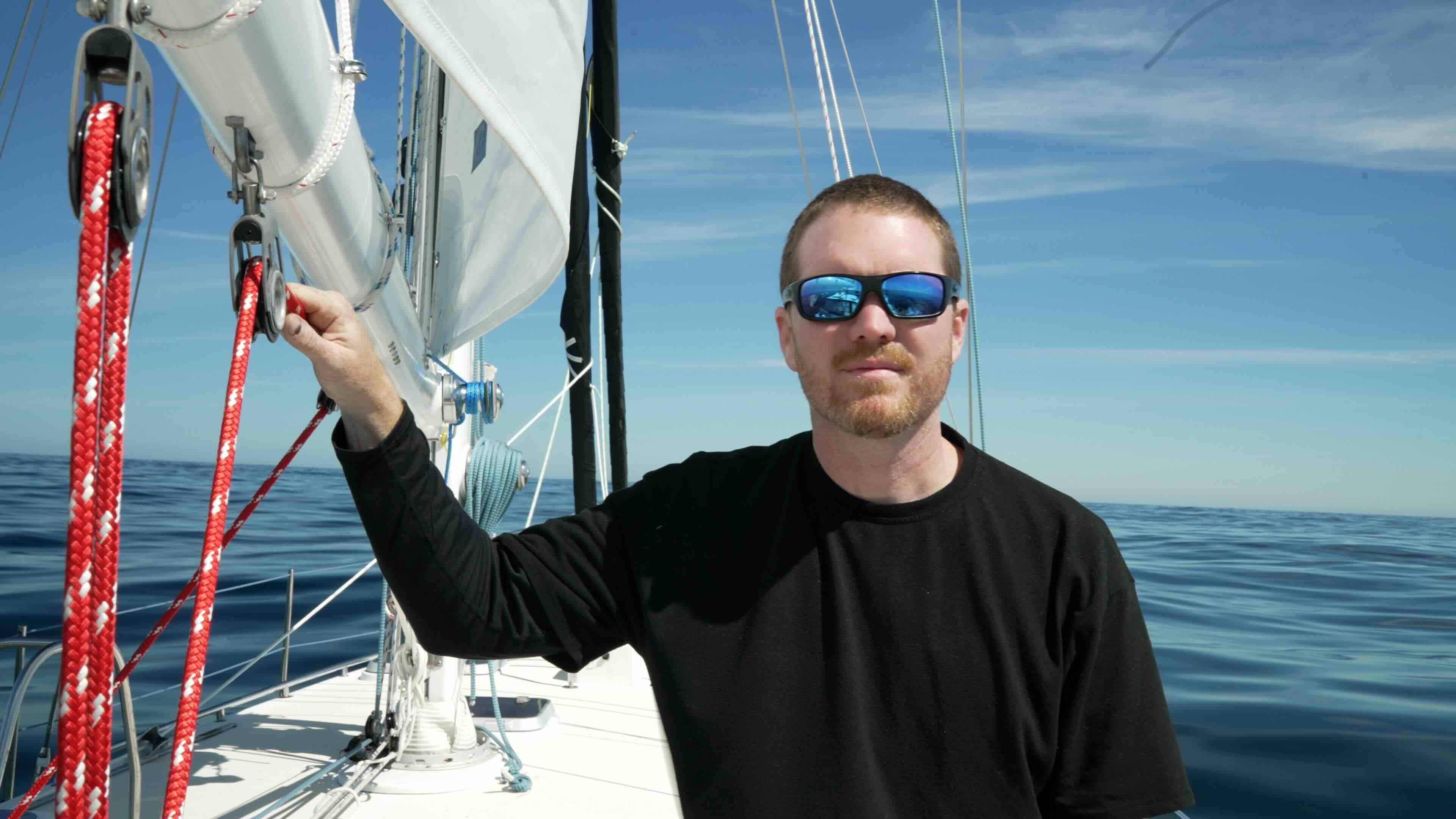
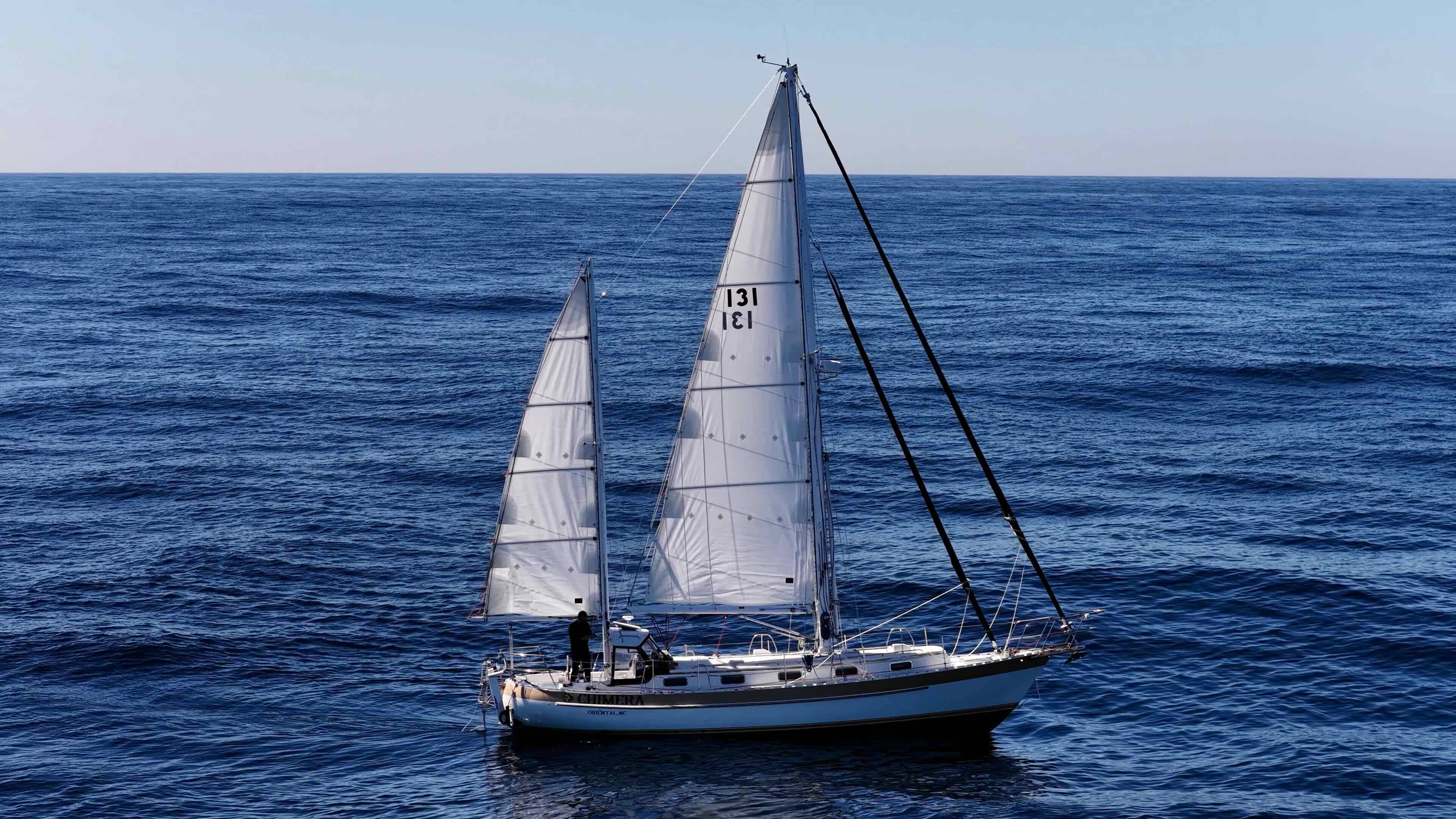
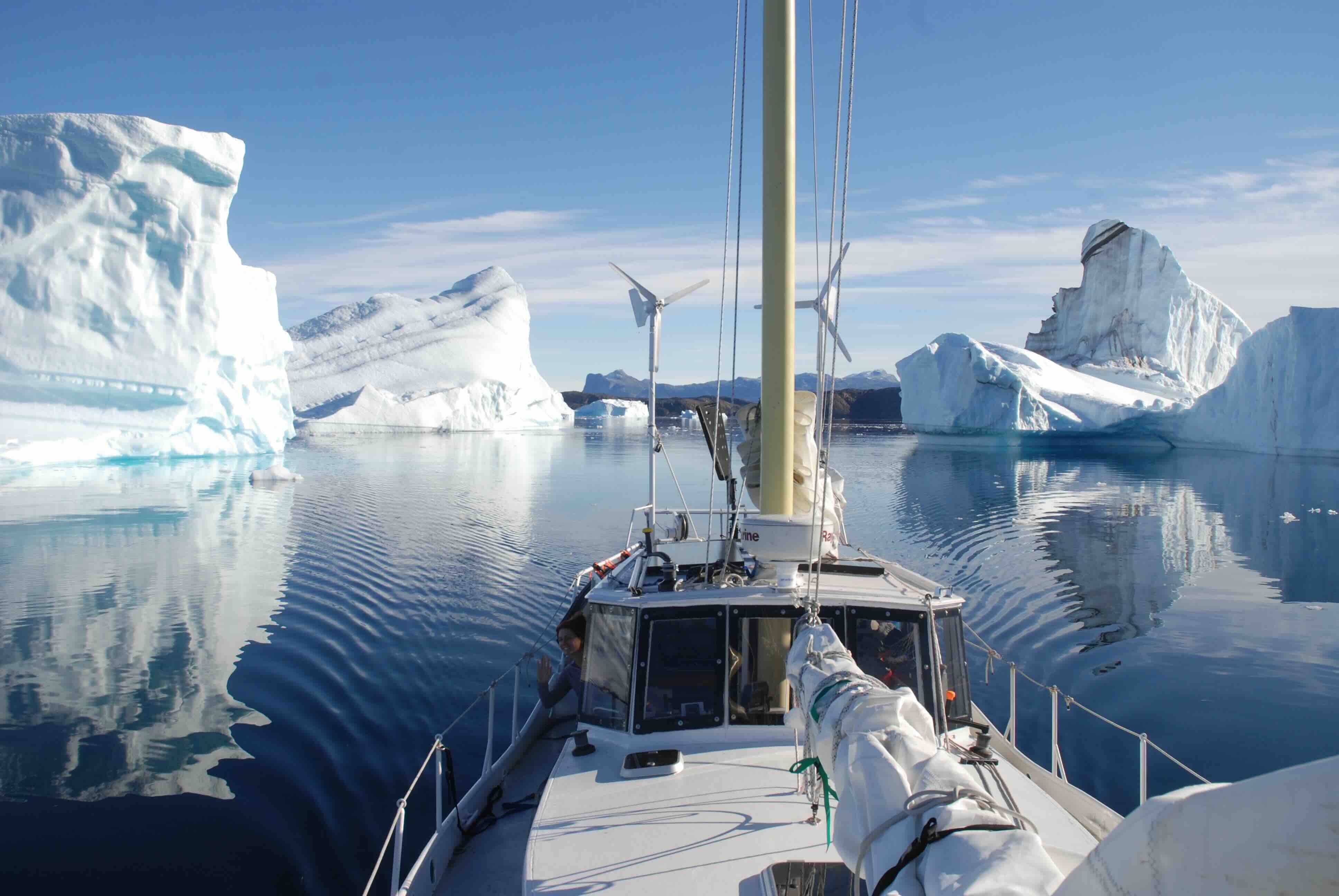
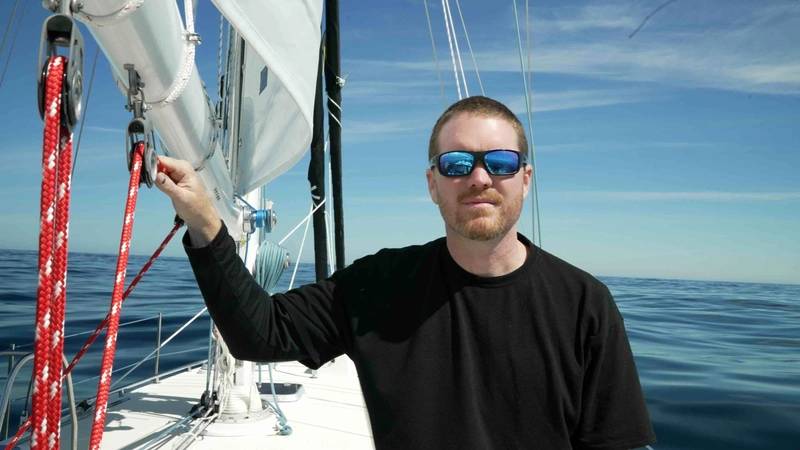
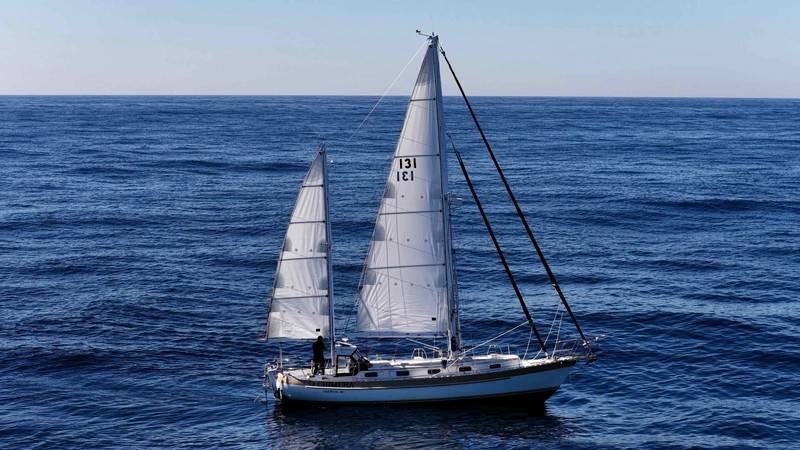
On June 25, solo sailor, explorer, researcher, and founder of the nonprofit Ocean Research Project, Matt Rutherford, will depart from Aasiaat, Greenland, where he will attempt the first-ever solo, nonstop, unassisted circumnavigation of the Arctic Ocean. His target finish is early October.
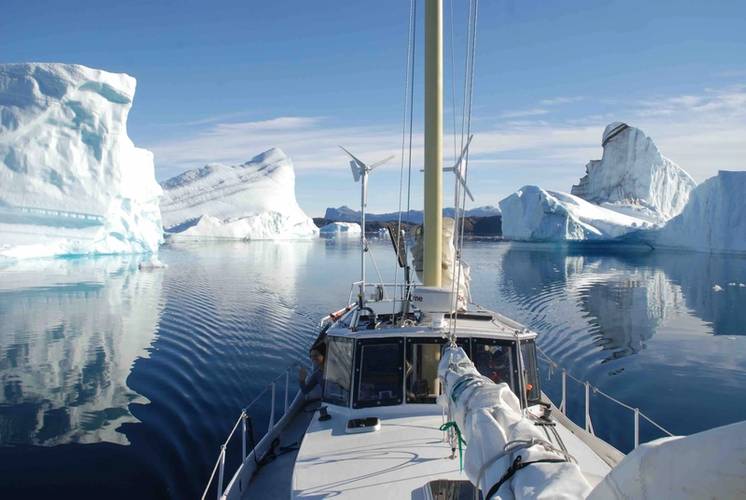
The route covers more than 10,000 miles through three of the most hostile ocean environments on Earth: the North Atlantic, the Russian Arctic coast via the Northern Sea Route, and the Northwest Passage through the Canadian Arctic Archipelago. No one has completed this passage solo and nonstop. Until recently, no one could.
Arctic sea ice this summer is 9–15 percent below the previous all-time record low. In 2011, Rutherford became the first person to solo sail the Northwest Passage, a passage that took Amundsen three years in the early 1900s. The route exists because of what has happened to the ice.
"The fact that I can attempt this voyage at all is because there is less ice," said Rutherford. "And there is less ice because the planet is warmer. The Arctic is changing faster than anywhere else on Earth. By sailing around the Arctic in a single season, I will demonstrate the dramatic loss of ice in the Arctic Ocean."
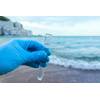
"As the US government slashes funding for polar research, the Arctic needs our attention now more than ever - and Matt is our climate crusader," said Nicole Trenholm, oceanographer and co-founder of Ocean Research Project. "Circling the North Pole ice pack is one giant experiment. On the way to Greenland, Matt will collect water samples that we will use to test NASA ocean models monitoring Arctic waters. By taking action and communicating the story of his journey, he can help us reach our hard-earned $250,000 fundraising goal, directly advancing our science mission during the United Nations–designated Ocean Decade."
Expedition at a Glance
Official start line: Aasiaat, Greenland, approximately June 25, 2026
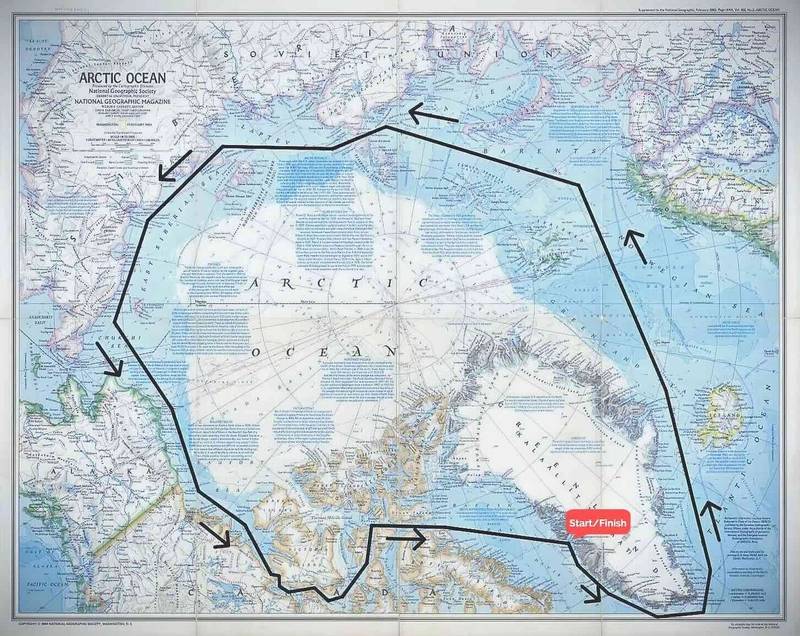
Three-Phase Route: Greenland → Russian Arctic coast (Northern Sea Route) → Northwest Passage → Baffin Bay → Aasiaat
Phase one: From Greenland, south around its tip, then north above Iceland and Scandinavia to the Russian border.
Phase two (most dangerous): Rutherford spends approximately one month sailing above Russia along the Northern Sea Route. Russia requires vessels on this route to carry a Russian pilot on board. An exemption for pleasure craft was introduced only last year. Rutherford has obtained a permit.
Phase three: North of Alaska, through the Northwest Passage, and across Baffin Bay back to Aasiaat.
Total distance: 10,000+ miles
Target finish: Early October 2026
Live tracking: oceanresearchproject.org
Nonstop & unassisted: Rutherford cannot anchor, cannot stop at land, and cannot receive outside assistance. He must take every storm at sea. He gives himself a 75 percent chance of completing it.
 © Ocean Research Project
The Science Mission
Rutherford founded the Ocean Research Project (ORP) in 2012. Oceanographer Nicole Trenholm joined shortly after to establish the science mission for expeditions examining ocean health in the face of man-made pollution and climate change. Their campaigns to the Arctic have led to the mapping of uncharted waters, addressed the controls and impacts of melting glaciers, measured nutrient availability for plankton blooms, and documented the degree of carbon burial—at roughly five percent of the cost of a conventional research vessel.
With 88 percent of US polar science funding cut in 2025, ORP's mission has never been more critical. As glaciers retreat, fjords respond to changes in freshwater and nutrient availability that directly affect phytoplankton blooms and the coastal Arctic's role as a global carbon sink hotspot. Phytoplankton produce roughly half of the world's oxygen and form the base of the entire marine food chain. Their productivity accounts for 11 percent of annual ocean carbon burial along glaciated coastlines.




 February 2026