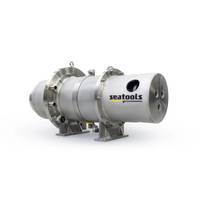
Seatool’s Plug-and-Play Subsea HPU Range
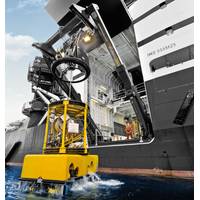
, and come with a significant number of (integrated) hydraulic system components and functionalities. Examples are pressure compensation, filtration, controls, and instrumentation. The modular approach creates a benefit for hydraulic system integrators: a cost-efficient configuration of subsea hydraulic systems that matches the specific requirements of integrators, while pushing the limits of system compactness and reliability.The new range is specifically designed for subsea equipment that requires uncompromising reliability, such as in subsea installation tooling and subsea dredging systems.Photo:
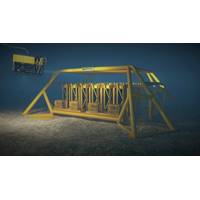
New Subsea Storage Technology Introduced
. In addition to compensating for hydrostatic pressure, subsea storage is required to accommodate oil volume fluctuations caused by temperature changes, or may, for example, harbor control fluids. The subsea storage of liquids also is of interest to other types of equipment, such as large-volume subsea hydraulic systems with significant differential (oil) volumes caused by a large number of actuators, as with the Pile Installation Frame. One of the decisive design criteria for a long-term storage reservoir is the reliability of the barrier between fluid and seawater. During the recently completed
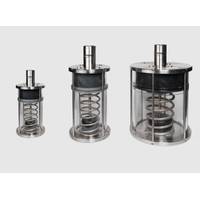
Seatools Debuts Subsea Compensator Range
has introduced its new subsea hydraulic compensator range: the Advanced series. This new subsea compensator range, based on the preceding Hyco range, delivers improvements in robustness, durability and standardization, according to the manufacturer. Seatools, a specialist in subsea hydraulic systems, said it performed an extensive development trajectory that led to the Advanced series. The new range, meant for heavy-duty subsea hydraulic systems – such as subsea vehicles (e.g. ROVs and trenchers) and dredging systems (suction tube SHPU compensation) – features a strongly
Design of Hydraulic Systems for Subsea Applications
, operating and repair costs. There are built-in costs for subsea work that are unavoidable: operating equipment at a distance with remote devices, and dealing with external water pressure and corrosion conditions. Careful planning and a willingness to integrate smart design principles into subsea hydraulic systems make it possible to accomplish these goals cost-effectively. Pressure Compensation Pressure compensation is useful in any system which operates below water. It is used to keep the pressure between external environment (seawater) and reservoir constant, as seals are typically designed

 February 2026