
Snow Problem Too Big: A floating polar laboratory tackles Arctic research


-
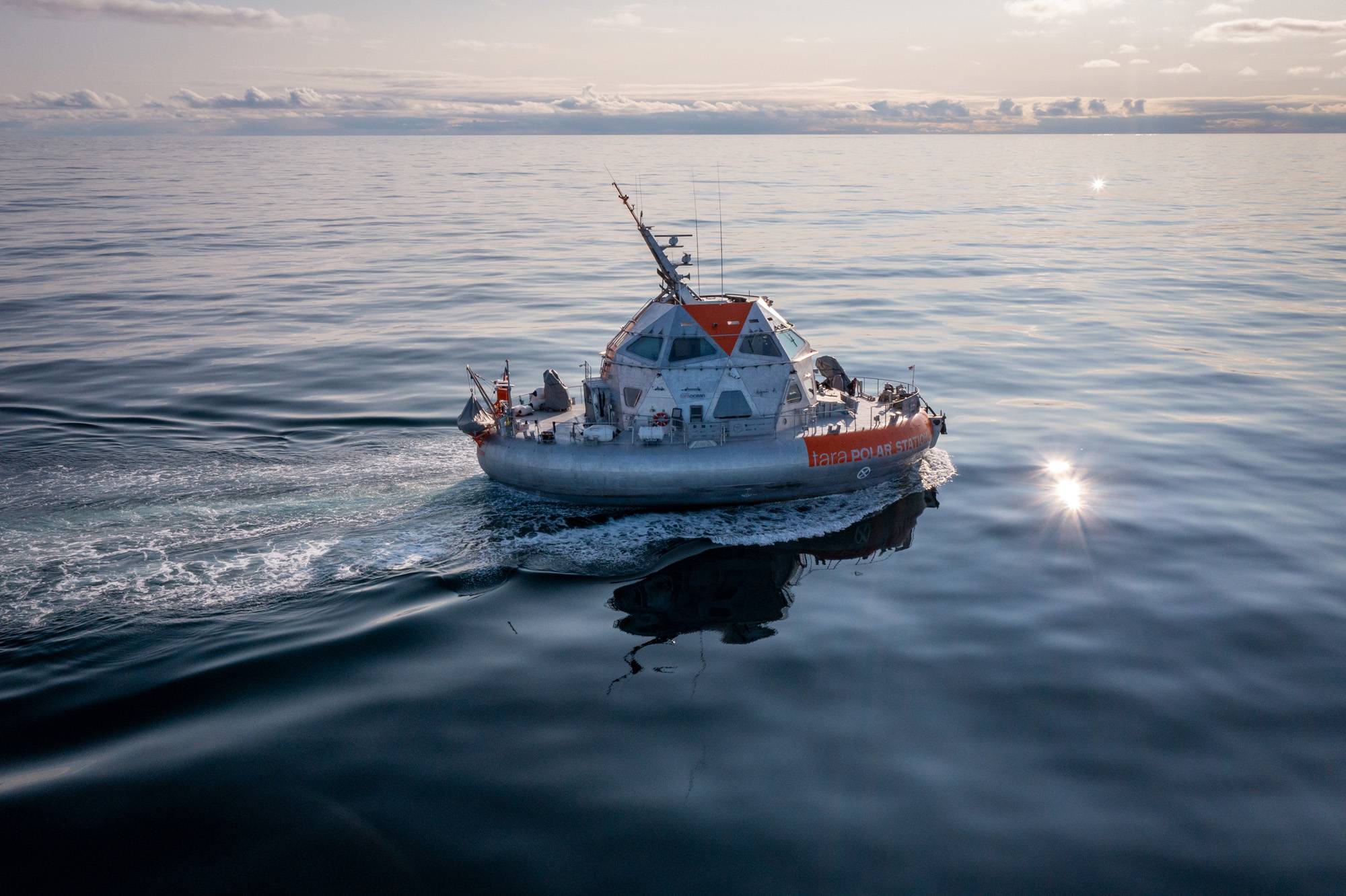
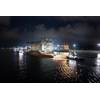
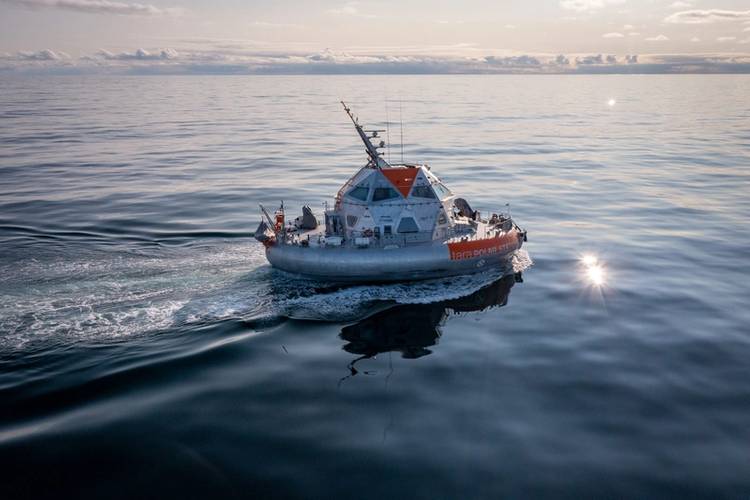 The Tara Polar Station. © Maéva Bardy - Fondation Tara Ocean
-
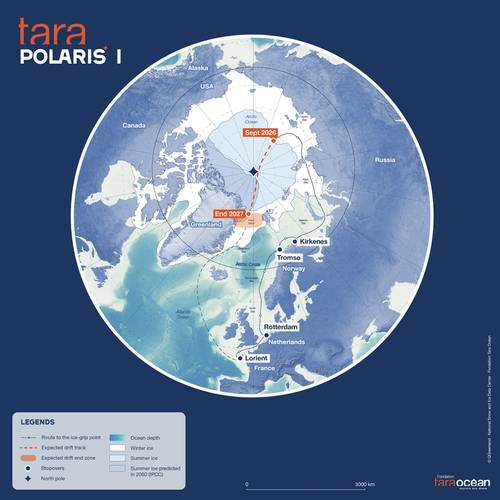 A map of the Tara Polaris I expedition. © Fondation Tara Ocean
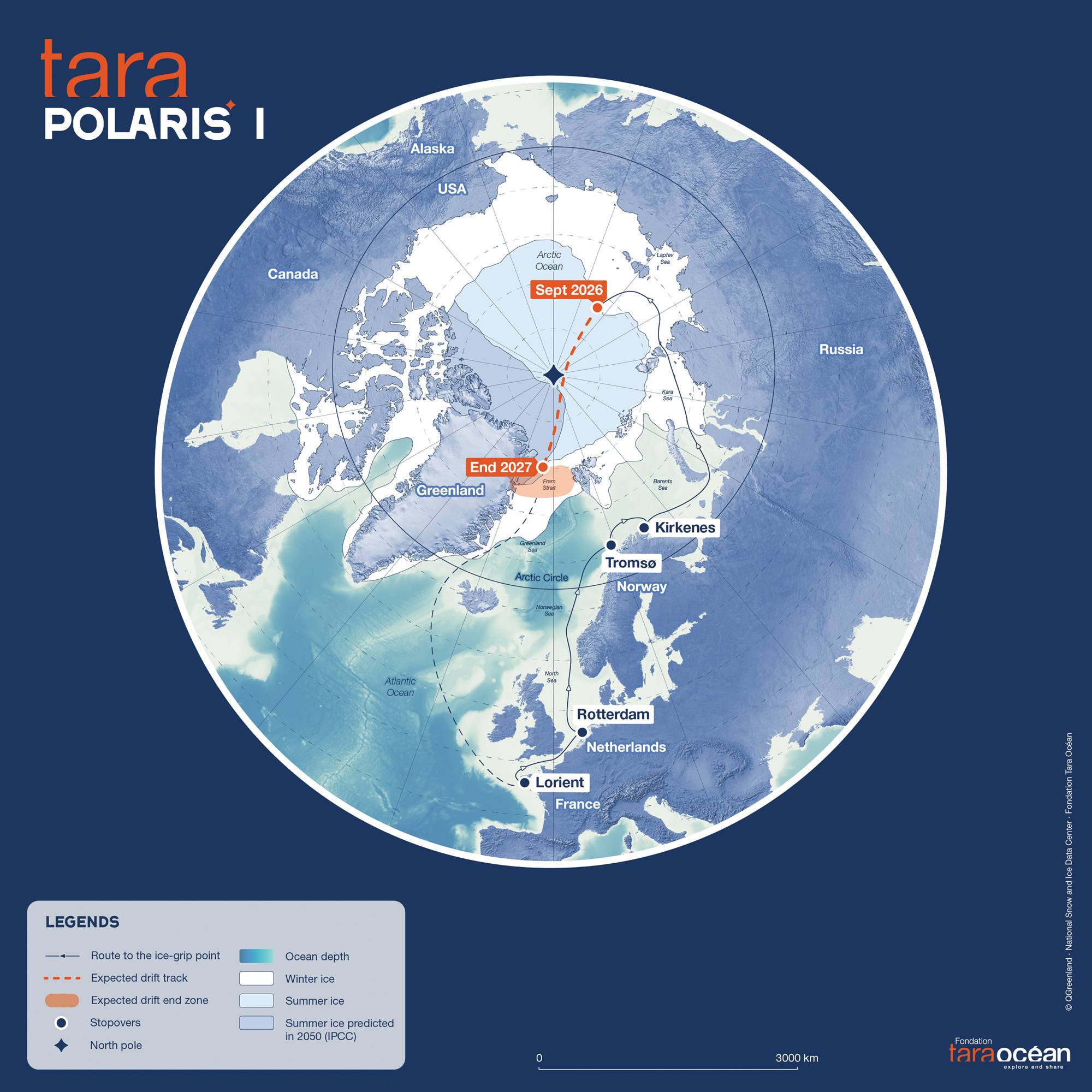
On July 19, the Tara Polar Station, a drifting laboratory, departed from its homeport in Lorient, France to commence an 18-month Arctic expedition. As a year-round mission, the Tara Polaris I expedition was designed to explore the interconnectivity and seasonality of five components of the Arctic Ocean: atmosphere, snow, ice, biodiversity and the ocean itself. Tara Polaris I is just the first of multiple missions ongoing until 2046.
The Tara Ocean Foundation was launched in 2003 by Agnès Troublé and son Étienne Bourgois to support marine research, educate on its importance, and pledge for ocean protection. The Polar Station, built 18 years after the organization's first North Pole trip aboard the schooner Tara, was designed to fill a scientific gap in the Arctic Ocean, which lacks a long-term research station (compared to the five permanent sites in Antarctica) and remains vulnerable to climate change. Known as Arctic amplification, the ocean is warming three to four times faster than the rest of the planet. Arctic atlantification, the increased flow of warmer and saltier Atlantic waters, is also of concern and disrupts the natural stratification of the Central Arctic Ocean. Changes in sea ice, snow and water have consequences for the ecosystems and organisms that define the region.
"In the long term, the Tara Polaris (2026-2046) expeditions will help inform weather model forecasts in Europe by 2050 and shed light on the consequences of global changes (climate and pollution) on the functioning of our planet," explained Romain Troublé, CEO of the Tara Ocean Foundation. "The findings, which will be openly accessible, will support better governance of the Central Arctic Ocean, guiding regulations on industrial activities until we have a clear picture of the health of our planet's only polar ocean."
The floating base was built in 2023-2025 by Constructions Mecaniques in Cherbourg, France. Since delivery, the Tara Polar Station has undergone a full year of testing, followed by three months of drydock fine tuning.

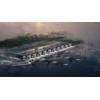
 The Tara Polar Station under construction. © François Dourlen-Fondation Tara Ocean
The Tara Polar Station
Designed by Olivier Petit and the Tara Ocean Foundation, the station measures 26 meters in length and can withstand temperatures between -20° and -52°C. It can host a crew of 12 in winter and up to 18 in summer and has an autonomy of 500 days with up to 12 tons of food onboard. In addition to living spaces for the scientists, journalists and crew, the facility has five laboratories, offices, cold rooms and sample storage. Drinking water will be produced via a desalination system.
There is a six-foot-wide moon pool at the center of the drifting station, allowing for water samples down to depths of 2,500 meters. Atmospheric and underwater sensors line the outside of the vessel, and a CTD-rosette measures the physical, chemical and biological properties of the water column.
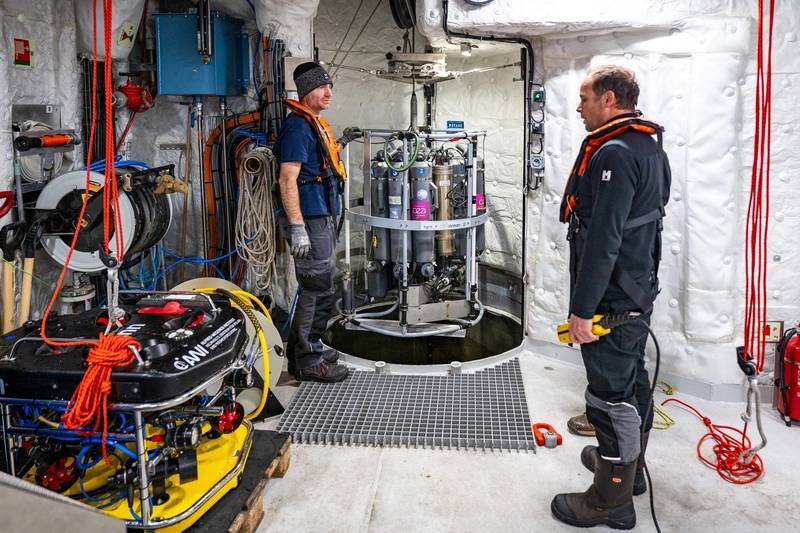
"For the sake of reliability, we have decided to avoid fancy and immature technologies but instead focus on efficiency and co-generation," said Troublé. "The efficiency of the power generator has been brought to 82% as the heat generated is captured to warm the vessel. The lab space for science represents 55% of the total area of the vessel, with direct access to the ocean through the moon pool. The station will also have a broadband connection through the OneWeb constellation by Eutelsat for crew communication with relatives, real-time data transfer and daily briefings with the consortium on land."
With such an ambitious mission, the Tara Polar Station faces its fair share of challenges. "The vessel will face enormous constraints from both operational and regulatory points of view," said Troublé. "The ice pressure expected has put a heavy load on the structure and shape of the hull, and the 500 days autonomy is demanding of storage and systems redundancy."
"The Polar Code has also brought a heavy burden on the footprint of the station and its efficiency. The exhaust of particles pushed us to use second-generation biofuel in the form of hydrotreated vegetable oil from Neste. Additionally, the eight tons of jet fuel stored onboard for aircraft medical evacuation purposes has been a challenge for safety reasons." As such, collaboration between the architects, shipyard, Bureau Mauric and Bureau Veritas has been essential to tackle these challenges.
Collaboration is key
The Tara Polar Station, drifting in the Arctic Ocean for 18 months, also relies on collaboration at sea. "A true scientific hub, the laboratory-observatory will host researchers from all over the world: biologists, physicists, ecologists, glaciologists, atmospheric scientists, oceanographers, etc. The first 12 crew members are committing to a winter of around nine months," explained Clémentine Moulin, director of operations at the Tara Ocean Foundation and Coordinator of Tara Polaris I. "The selection and training process has been modeled on that used at remote research stations. Our aim: a close-knit group ready to face the challenges of an extraordinary expedition."
The collaborative science approach, as Troublé describes it, extends beyond the station. "We build ad hoc consortiums of laboratories that can host 30 to 40 laboratories internationally, made of 15 or more disciplines. The research goals and means are defined and funded collectively, and the six to nine scientists and engineers onboard will conduct the research. Then, the analysis and publications will be run collectively," he said. "The onboarding of new laboratories is evaluated by the consortium, based on the lessons learned before and the data gathered, raising new questions along the next 20 years of expeditions."
While research aboard the Tara Polar Station encompasses numerous scientists and disciplines, the overarching themes remain consistent. The key goals of Polaris I include exploring difficult-to-reach environments; discovering adaptations to extreme conditions; analyzing sea ice melt and pollution; identifying new molecules, species and processes; monitoring Arctic fish stocks; and providing new data to refine climate models.
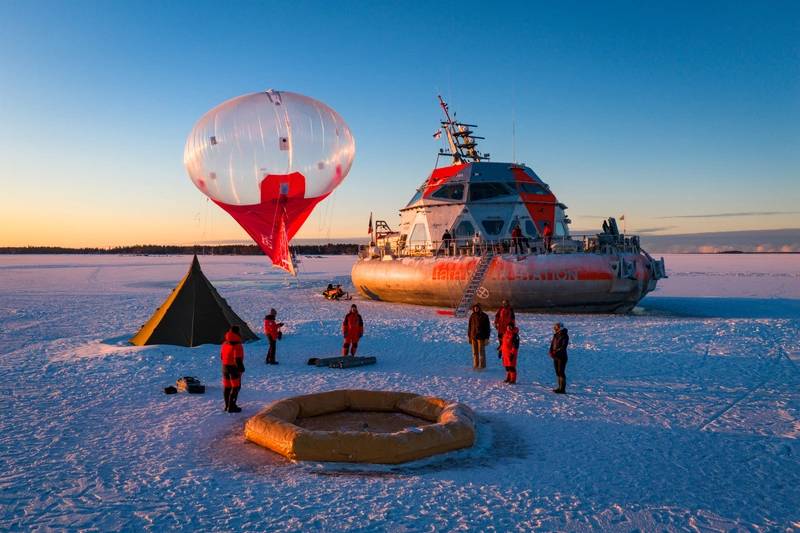
While the Tara Polaris I expedition has just set sail, Tara Ocean Foundation is already looking ahead to Polaris II and III, developing the consortiums that will guide the laboratory's work from 2028 to 2031.
"It is unknown how organisms living in the heart of the Central Arctic Ocean cope with the extreme seasonality of light, temperature, sea ice and ocean dynamics, or how they survive during the long polar night. Over recent decades, this unique ecosystem has come under increasing threat. Its condition tells us how humanity is transforming the Earth," said Marcel Babin, polar oceanographer, CNRS/Laval University/Sorbonne (France/Canada), co-scientific director of the Tara Polaris program, and scientific director of Tara Polaris I.
"We urgently need observations to better understand the nature of the changes happening in the Arctic, particularly to capture the full annual cycle and track interannual variability," he added. "The Tara Polaris program will bear witness to the history of the Arctic."




 August 2026