4,700-Year-Old Shipwreck Discovered off Turkish Coast
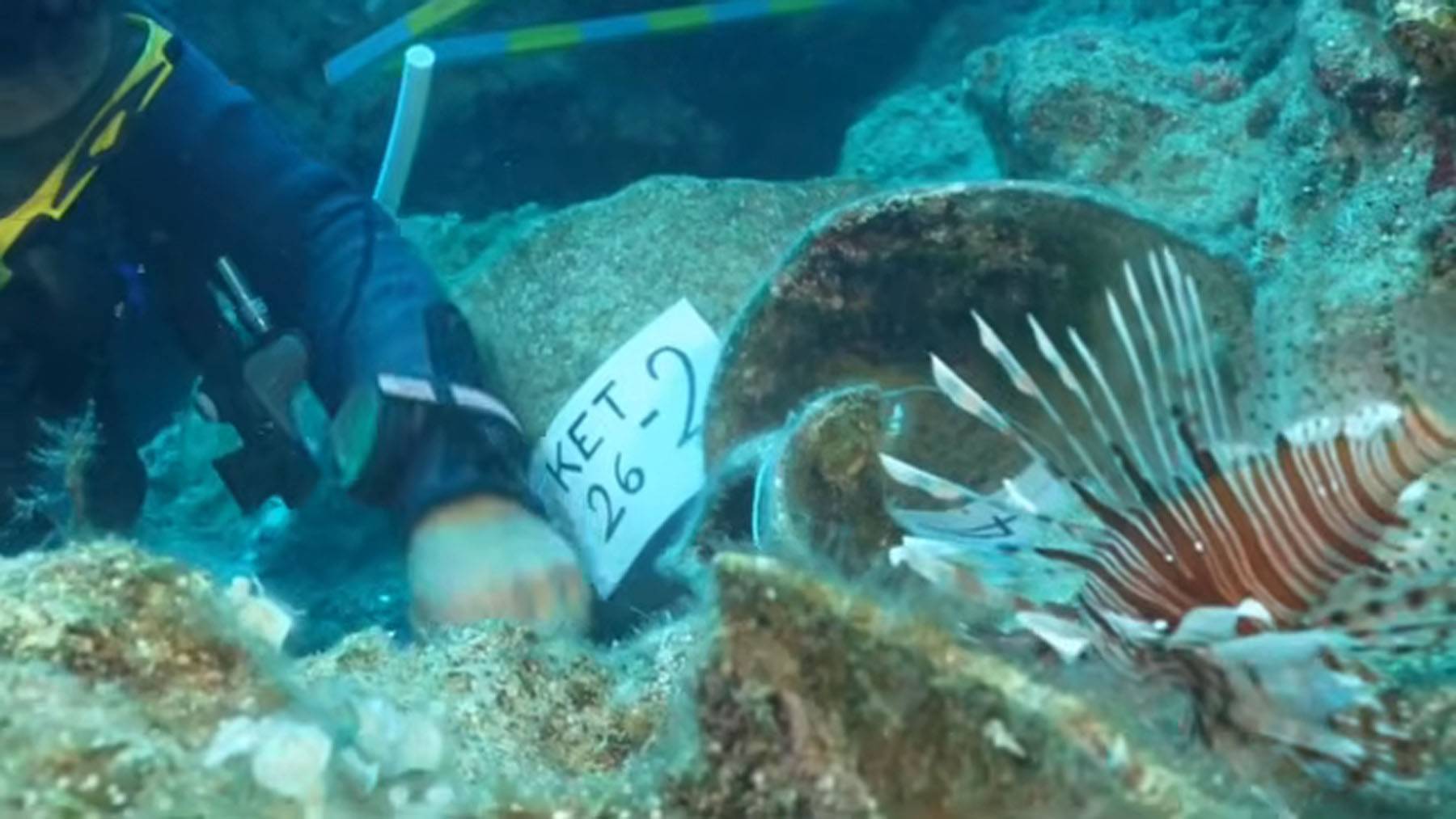
Screenshot from video of the historic shipwreck find. Image Credit Akdeniz University.
Underwater archaeologists from Akdeniz University have recovered Early Bronze Age pottery off Kekova Island, offering new evidence of Mediterranean maritime trade and life aboard ships nearly five millennia ago.
Underwater archaeologists from Turkey's Akdeniz University have recovered ceramic vessels dating back as far as 4,700 years from a shipwreck near Kekova Island, a discovery researchers believe could represent one of the world's oldest known shipwrecks.
The wreck, located off Turkey's Mediterranean coast, has yielded amphora-like vessels dating to the Early Bronze Age, approximately 2700–2400 BCE. Excavations began in 2026 under the scientific direction of Associate Professor Hakan Öniz of Akdeniz University's Underwater Cultural Heritage Conservation Department, working with the Antalya Museum Directorate and Turkey's Ministry of Culture and Tourism.
The discovery offers new evidence of maritime commerce in the Eastern Mediterranean, suggesting that established trading networks connected the Levant, Anatolia, the Aegean and Egypt thousands of years before the development of modern shipping routes.
Clay analysis of recovered ceramic containers indicates they originated in workshops in the Jordan Valley. Researchers believe the vessels transported commodities such as olive oil and wine.
Similar pottery has been identified at archaeological sites near Egypt's Giza, Saqqara and Abusir pyramids, as well as Troy and Crete, suggesting extensive regional trade connections during the Early Bronze Age.
One hypothesis is that the vessel foundered near Kekova while sailing from a Levantine port toward Troy or Crete. Among the most intriguing discoveries is a ceramic vessel featuring nine markings and two holes in its body. Researchers suggest the unusual container may have served as a churn for producing cheese or butter aboard ship. The artifact raises the possibility that ancient mariners transported live goats during extended voyages, providing fresh milk that could be processed into dairy products at sea.
While that interpretation requires further archaeological confirmation, it offers a potentially valuable glimpse into shipboard provisioning and the daily lives of Early Bronze Age sailors.
Turkey's Minister of Culture and Tourism, Mehmet Nuri Ersoy, welcomed the discovery and congratulated Öniz and the excavation team. The ongoing investigation could provide important insights into ancient cargo transportation, maritime trade routes and seafaring practices.
If the wreck's proposed age and identification are confirmed, it could become a significant benchmark in underwater archaeology, extending the archaeological record of Mediterranean seaborne commerce and providing rare physical evidence of maritime activity nearly five millennia ago.



 August 2026