Sofar Ocean Publishes White Paper Examining El Niño's Impact on Port Infrastructure and Operations


-
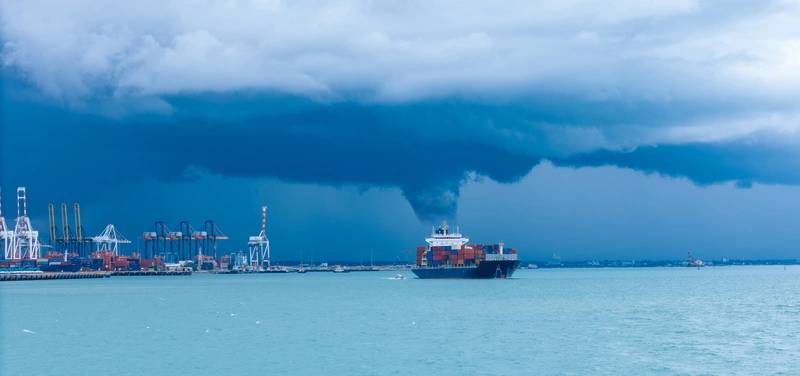 Photo Credit: Sofar Ocean
-
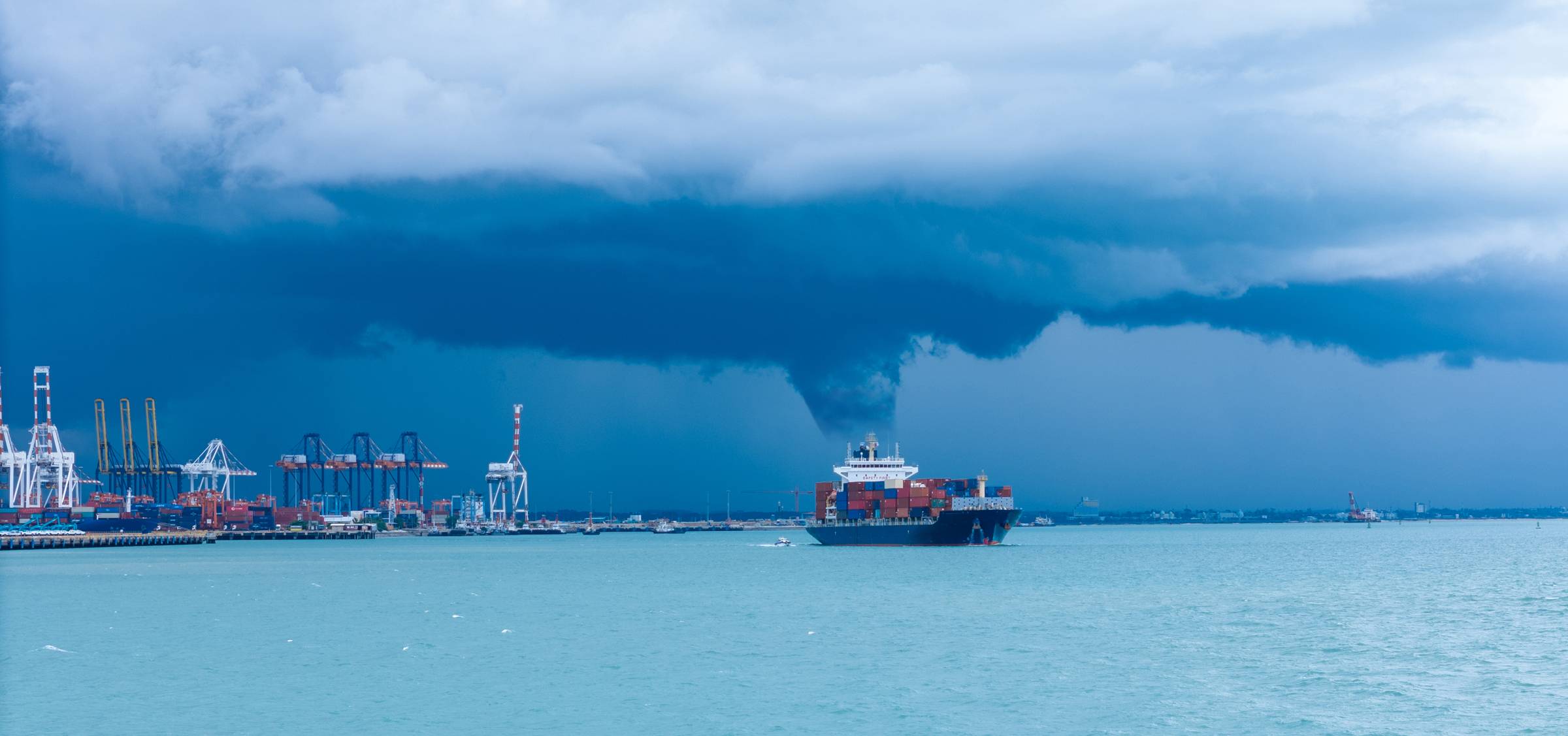
This white paper examines how the unpredictable 2026 El Niño season is straining port operations worldwide, and how real time ocean data is helping ports adapt.
SAN FRANCISCO, CA, Sofar Ocean, the leading ocean intelligence platform, released a new white paper examining how the strengthening El Niño event is affecting port infrastructure and operations around the world.
El Niño conditions formed in June 2026 and are strengthening. NOAA expects the event to peak between October and December, with a 97% chance it persists into early spring 2027. Most models point to one of the strongest events on record incomparable to analogues in recent history.
Port infrastructure is built against historical averages. Dredging schedules, sailing drafts, tidal windows, mooring thresholds, and permit limits are all calibrated to a baseline that a strong El Niño event moves, and the direction it moves depends on where a port sits. Climate-related downtime modeled across 1,320 of the world's most critical ports already puts an estimated $81 billion of global trade, and at least $122 billion of wider economic activity, at risk in an average year.
The impact is not uniform. The white paper details how the Americas face higher water and increased surge, with Peru's maritime authority closing ports across the southern, central, and northern zones in July 2026 as anomalous swells reached two to three times their normal height. The western Pacific faces falling water and compressed dredging windows alongside calmer seas and fewer tropical cyclones. South Asia sees both flood and drought risk in the same season, at different ports, while the Atlantic sees reduced hurricane activity.
Ports are already adapting. A Chilean marine engineering firm replaced manual, three times daily wave readings with real time data from Sofar's Spotter buoys to inform mooring decisions for oil tankers at an exposed coastal terminal, growing its deployment from one buoy to six across more than 1,800 kilometers of coastline.
"The greatest operational risk is rarely the weather itself," said Captain Ketan Bhatia, Global Head of Routing at Sofar Ocean. "It is making decisions based on assumptions that no longer hold."
The white paper outlines how continuous, in situ measurement of water level, currents, sound, and water quality, paired with Sofar's SpotCast hyperlocal forecasting, gives ports a real time picture of conditions at the berth, channel, and boarding station in place of seasonal averages that this year's El Niño has already moved.
The full white paper, "The Impact of El Niño on Port Infrastructure and Operations," is available for download at: https://hubs.ly/Q04sjvjD0
About Sofar Ocean
Sofar Ocean is the leading ocean intelligence platform. It owns and operates the world's largest network of real time ocean sensors, turning billions of measurements into insights trusted by scientists, governments, and shipping fleets. Its technology makes the ocean more predictable and sustainable, helping customers reduce costs, cut emissions, and unlock insights that were once out of reach.  Photo Credit: Sofar Ocean




 August 2026