
Sonardyne Begins Seabed Monitoring for Offshore CCS Project
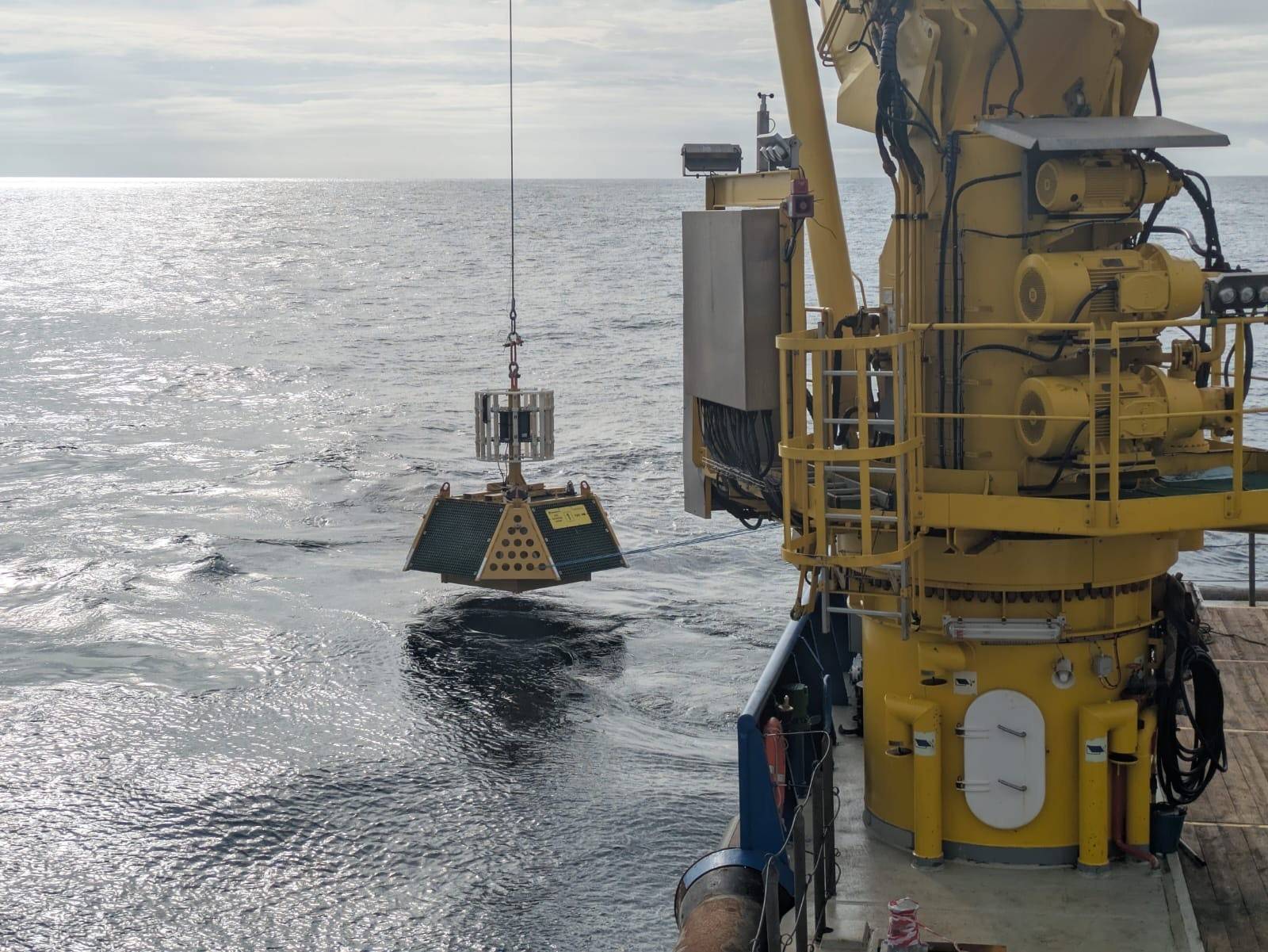
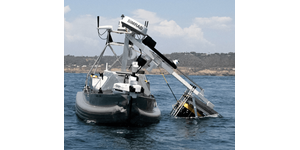
A Sonardyne environmental monitoring lander being deployed at the Endurance site in the Southern North Sea. Image from Sonardyne.
Sonardyne, a Kraken Robotics company, has successfully started baseline environmental and passive seismic monitoring at the UK’s first commercial-scale offshore carbon storage project.
The start of monitoring follows the successful deployment, on behalf of the Northern Endurance Partnership (NEP), of six seabed lander systems at the Endurance CO₂ store, in the Southern North Sea, about 150 km off the coast of Teesside.
NEP is delivering CO₂ transportation and storage infrastructure centered on the Endurance store, which is about 1,000 m beneath the seabed, as part of the East Coast Cluster decarbonization program across Teesside and the Humber.
The monitoring landers will support NEP’s long-term measurement, monitoring and verification (MMV) program for offshore CO₂ storage by helping establish the robust, repeatable data needed to monitor the reservoir integrity effectively over time.
The deployment includes three autonomous environmental monitoring landers, designed and built by Sonardyne, together with three co-located TIAMAT passive seismic monitoring systems from K.U.M.
Together, they are collecting baseline data on seawater chemistry, currents, seabed conditions and passive seismic activity before future CO₂ injection operations begin. This will support continued monitoring across the storage lifecycle.
Sonardyne’s environmental monitoring landers are designed to stay on the seabed for long periods. They use onboard power management, Edge data processing and wireless underwater communications to operate remotely and send data back from the seabed to the sea surface.
This means data can be collected and recovered over time without regularly recovering the landers, supporting the repeatable evidence needed for measurement, monitoring and verification at Endurance.


 August 2026