
LR: Subsea Pipeline Design Choices Determine Integrity


-
 © Lloyd’s Register
-
 © Lloyd’s Register
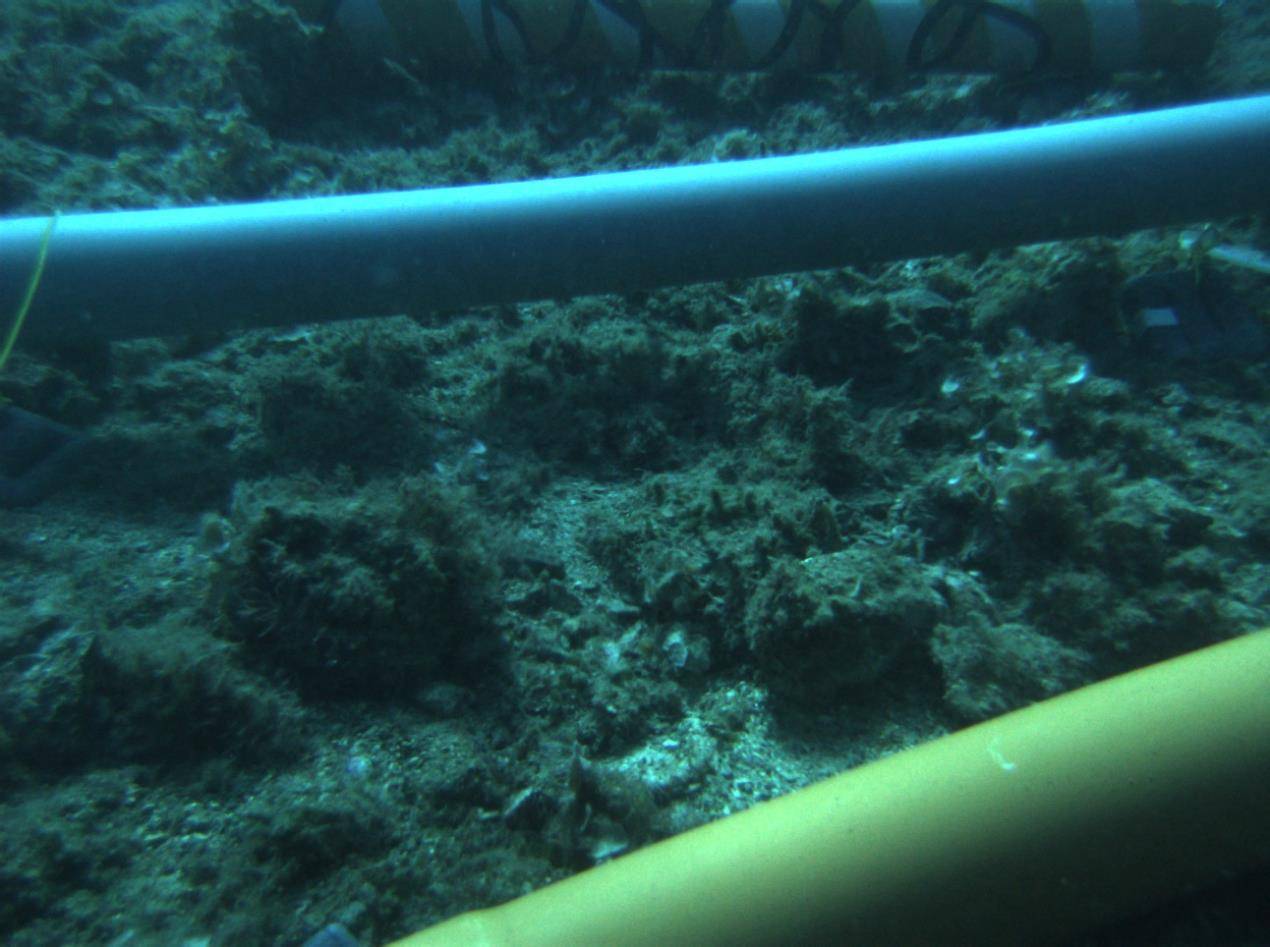
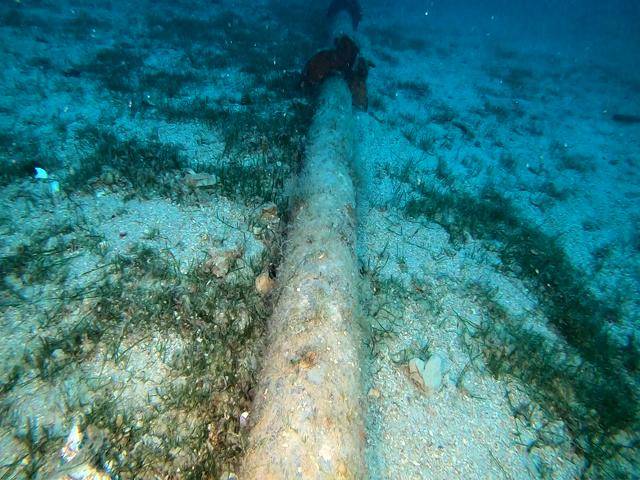
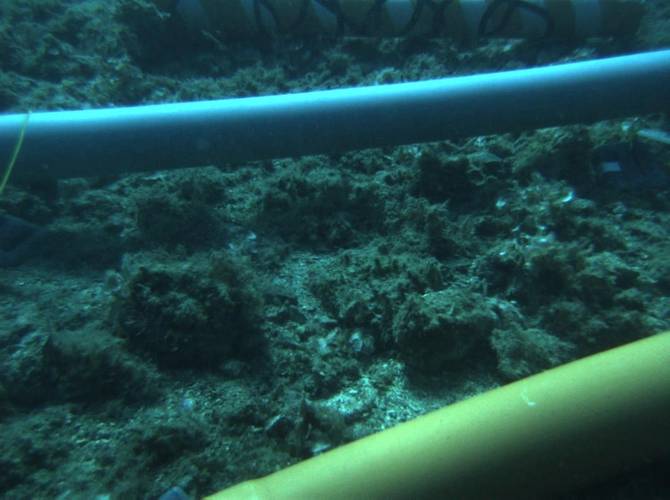
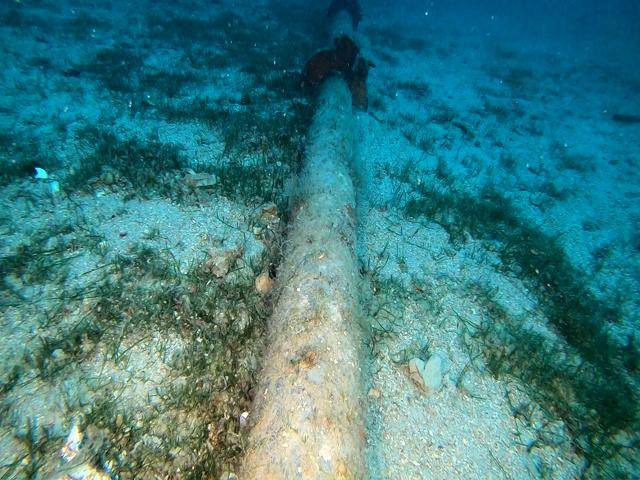
Early design decisions and robust qualification of subsea connectors can materially shape the long-term integrity of subsea pipelines warns Lloyd’s Register (LR), as part of a new study delivered for the Norwegian Ocean Industry Authority (Havtil).
The report, commissioned by Havtil, provides an updated industry experience base for assessing the performance of welded and mechanical connectors used in subsea systems and pipeline infrastructure.
Pipelines and subsea facilities are critical components of offshore energy production, connecting fields to processing and export infrastructure while operating in some of the world's most demanding environments. Ensuring their structural integrity throughout decades of service remains a key challenge for operators and regulators alike.
Drawing on industry data to map common fault mechanisms and performance trends, LR concludes that decisions taken at the design stage have a direct impact on failure risk throughout an asset’s life.
The findings come as Norway pushes ahead with renewed offshore activity, including 70 new blocks for offshore exploration as part of the APA 2026 licensing round aimed at sustaining energy supply to Europe.
Against that backdrop, regulators are tightening focus on structural safety in critical infrastructure such as pipelines and subsea facilities.
LR’s study supports Havtil’s risk-based approach to oversight, reinforcing the need for operators to ensure that connector design and qualification processes are sufficiently robust for such critical components. Comprehensive qualification provides confidence in the integrity of the connector throughout service life, while early involvement of the original equipment manufacturer can support life extension by validating key design assumptions and performance limits.






 August 2026