
WASSP Launches FinFLS Forward-Looking Multibeam Sonar


-
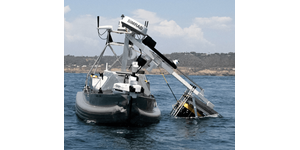
 The WASSP FinFLS as shown with fairing block keel install. © WASSP
-
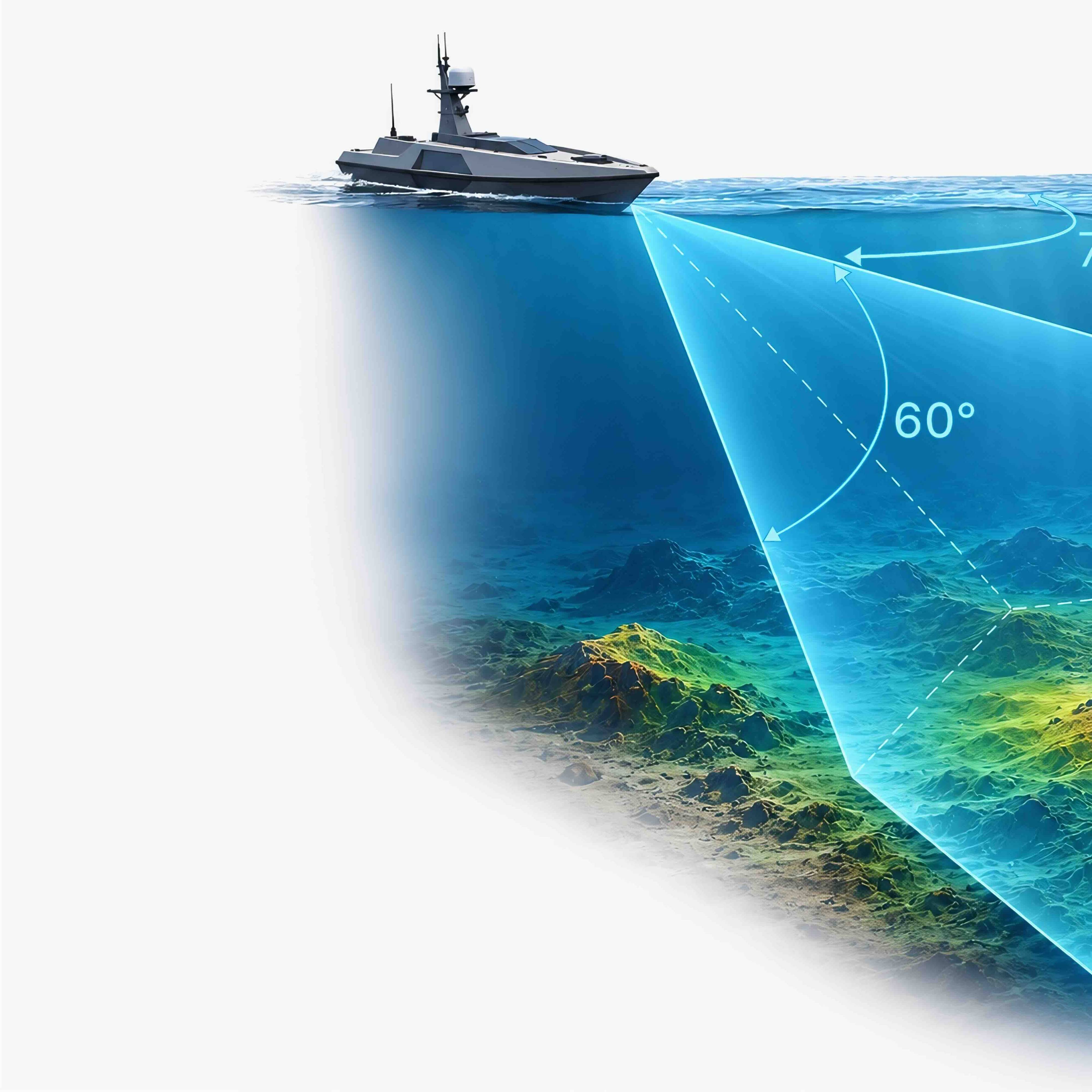
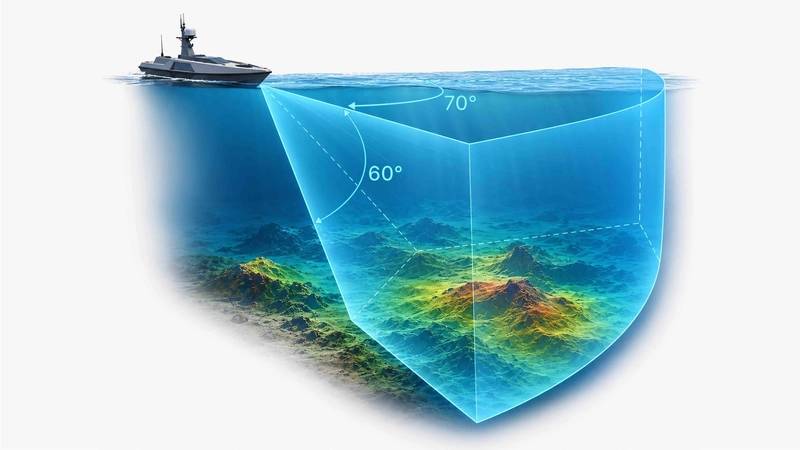 Graphic showing the WASSP FinFLS volumetric coverage. © WASSP

WASSP, the New Zealand multibeam sonar specialist and member of the Furuno Group, introduced WASSP FinFLS, a forward-looking multibeam sonar built on a patented fin-based design. Operators can assess structures, channels, seabed changes, work sites and targets before they arrive, supporting real-time planning and safer, more efficient operations.
FinFLS gives vessels a real advantage in the water: a full, three-dimensional view of the seabed and water column ahead, delivered in real time. Every ping covers a volume of water. Rather than scanning a single narrow slice, each ping builds a complete volumetric picture in 3D, so operators see what lies ahead and exactly where it sits.
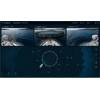
As the vessel moves forward, FinFLS turns what it sees into 2D and 3D maps of the seabed and objects ahead. The maps are motion-compensated and can be recorded as a permanent record, so unfamiliar ground becomes known ground. Above the seabed, water-column detection shows mid-water targets such as fish and objects. Vertical object detection picks out natural structures as well as man-made objects.
All of this runs on WASSP's new processor, which is embedded directly in the transducer, a first for WASSP. This simplifies installation and creates a software-defined platform ready for future upgrades. FinFLS also integrates fully with Furuno's NavNet TZtouchXL, bringing WASSP multibeam capability to a display operators already know.
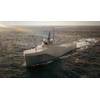
The fin design is more than a housing; it provides acoustic performance, hydrodynamic efficiency, mounting stability and high-powered processing capability. The low-drag profile lets FinFLS keep delivering clear, stable data at speeds where conventional forward-looking sonars struggle. That makes it a natural fit for fast and demanding vessels.
The combination of patented hardware, embedded processing and software-defined capability makes FinFLS a platform rather than a single product. WASSP will work with operators to add sector-specific features as needs evolve.
WASSP FinFLS is making its public debut at METSTRADE 2026, November 17-19, RAl Amsterdam, on stand 630 in Hall 8.



 August 2026