Nortek Joins USF to Redeploy ACDPs for Gulf Ecosystem Research


-
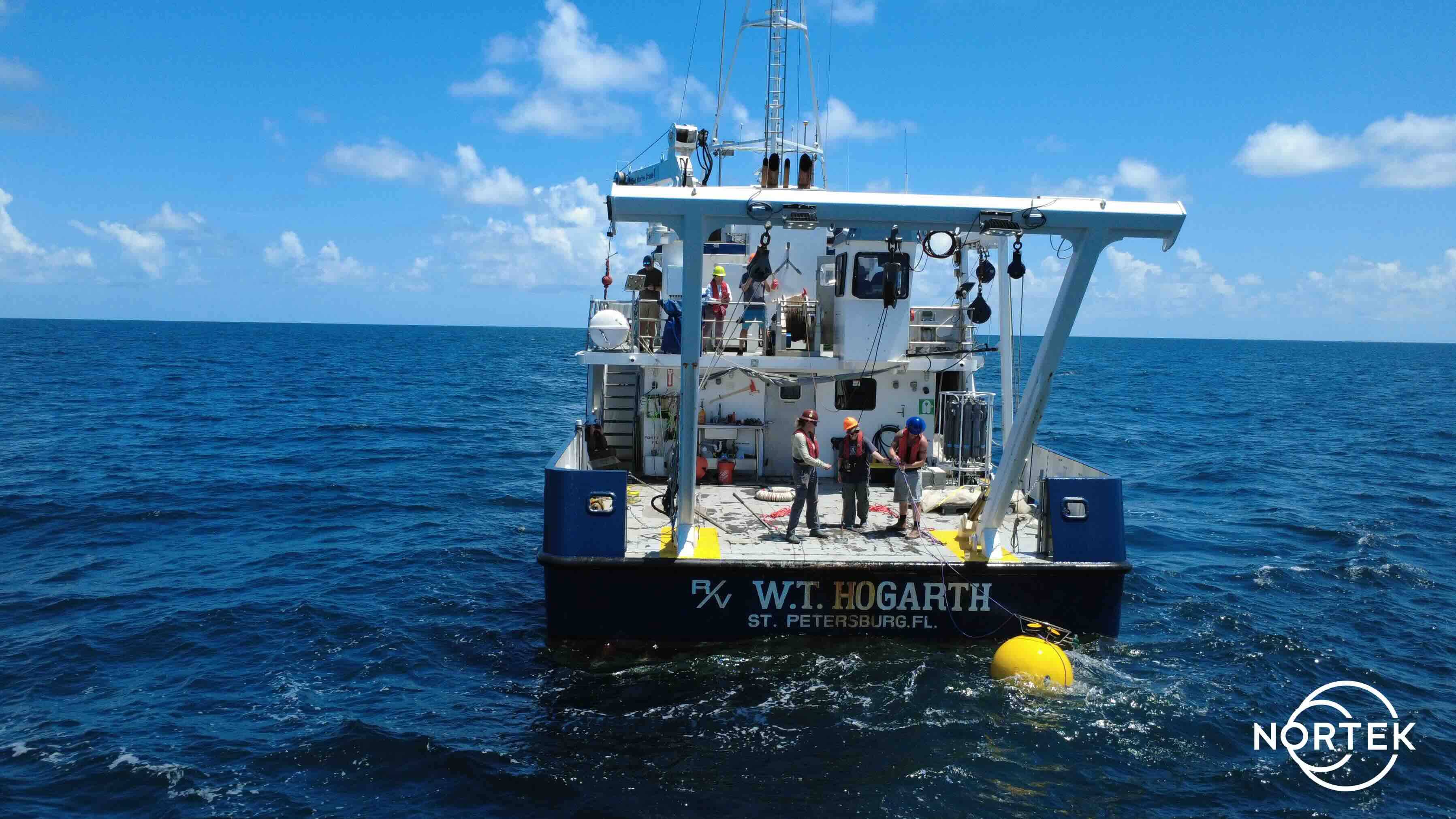
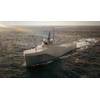
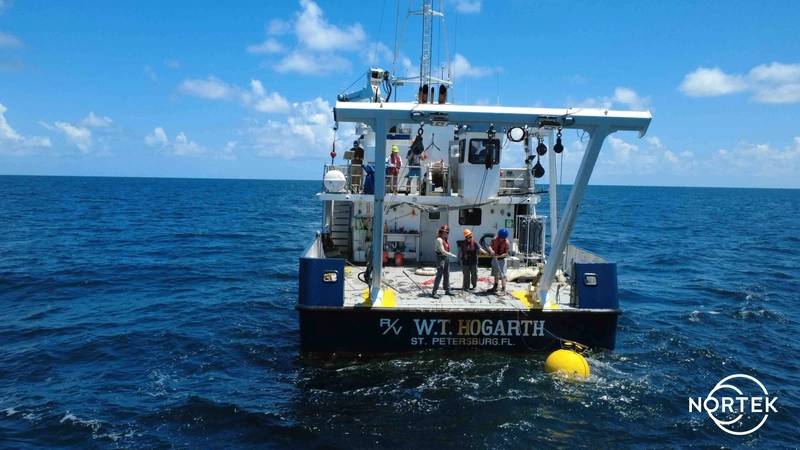 The R/V W.T. Hogarth, where the USF and
Nortek teams recently recovered and redeployed
Signature ADCPs.
© Nortek
-
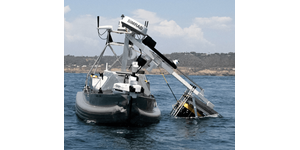
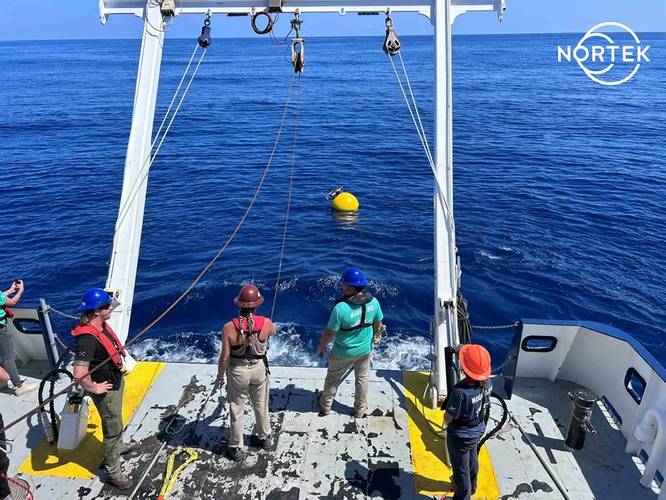 The USF team recovering the Signature 100. © Nortek
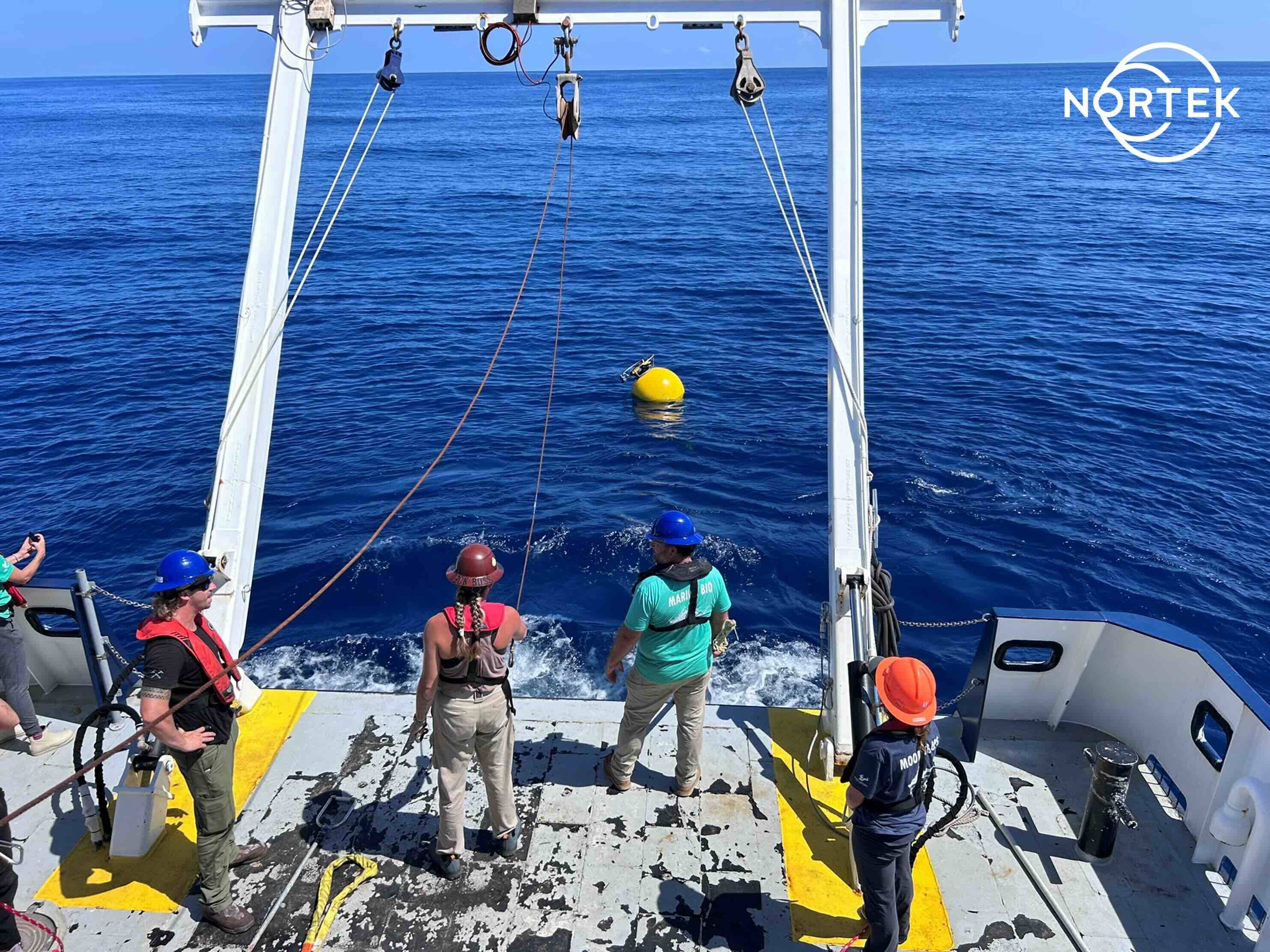
In August 2026, Nortek team members joined a team of researchers from the University of South Florida on a cruise to retrieve and redeploy two Nortek Signature 100s as part of an ongoing research project off the Gulf Coast.
The Deepwater Horizon oil spill of 2010 highlighted the need to better understand and protect the ecosystems of the United States' Gulf Coast. Following the spill, the RESTORE Act of 2012 established funding for the recovery of the Gulf Coast, resulting in the creation of the Florida RESTORE Act Centers of Excellence Program (FLRACEP) at the University of South Florida (USF). Since being initiated in 2015, FLRACEP has funded more than 30 projects, supporting fisheries, ecosystem monitoring, mapping and ocean observing technologies.
Currently, USF has research teams studying the De Soto Canyon area south of the Florida panhandle, where the continental shelf drops off steeply, creating a hotspot for marine biodiversity. Their research goals include investigating circulation patterns in the area, observing how the shelf break influences zooplankton communities, and in turn, better understanding the community of Rice's whales in the area, critically endangered baleen whales local to the region. The project titled "Rice's Whale Ecology, Associated Ocean Circulation and Habitat" (REACH) relies on a variety of oceanographic sensors deployed in the area, including Nortek ADCPs. An August 2026 cruise brought together the researchers with Nortek team members to recover and redeploy sensors and perform other work in the area.
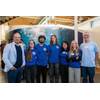
The team on the recent FLRACEP-V expedition was comprised of USF oceanographers and biologists, including co-chief scientists Dr. Ana Carolina Peralta and research scientist Jay Law. Dr. Peralta is a co-Pl on the project with Dr. Yonggang Liu and Dr. Frank Muller-Karger and Law is head of operations for USF moorings. Also on the cruise were field operations specialist Sebastian Di Geronimo, graduate student Samantha D'Angelo, and mooring and field technicians Orion Scharton-Witmer and Lillian Ring.
The team uses a range of methods to study the area. A series of surface and subsurface moorings provide data from CTDs, echosounders, and ADCPs, including Nortek's Signature 100 ADCPS with built-in scientific echosounder functionality. The team will also use towed arrays of hydrophones to listen for fish and whale activity, in addition to gathering water samples and performing CTD casts to collect thorough information about the physical and biological parameters in the area.
The USF researchers use the data collected from the ADCPs and other oceanographic and meteorological sensors to inform high-resolution numerical models, which provide information on ocean circulation on the northern West Florida Shelf. In turn, they aim to understand how the physical processes in the area drive zooplankton abundance and distribution, key to characterizing the whales' habitat.
"One hypothesis our project intends to test is that the zooplankton community composition and abundance in this area is different at certain sampling stations," says Dr. Peralta. "This difference could be related to ocean circulation patterns, as water movement and other physical properties such as salinity and temperature can define water masses that could be understood as a 'microclimate' for biological entities."
On the recent August 2026 cruise to recover data from the moorings, Nortek team members Jeremiah Ness and David Velasco joined the USF team to assist with the recovery and redeployment of the Signature 100s. The Signature 100 ADCPs had been deployed for nearly six months, collecting hourly current data and three echograms every six seconds.


 August 2026