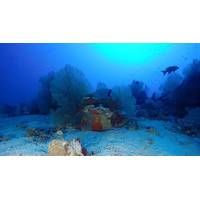
New Project to Assess Resilience of Mesophotic Coral Reefs
climate scenarios, with a particular focus on identifying critical areas of biodiversity and sites more vulnerable to the impacts of climate change due to their location and specific oceanographic conditions.The project will also see scientists collaborating with organizations across the Maldives, Seychelles and Mauritius, countries that rely on a healthy ocean for food, environmental protection and economic prosperity. Those partner organizations include the Maldives Environmental Protection Agency, Maldives Marine Research Institute, Seychelles Island Foundation, Island Conservation Society (Seychelles)
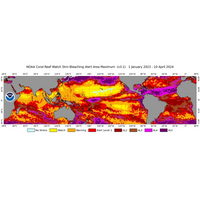
Coral Reefs Suffer Fourth Global Bleaching Event
nearly half of surveyed reefs in the Great Barrier Reef Marine Park area.That makes this the fifth bleaching event in the Great Barrier Reef in just nine years - far more frequent than the twice per decade that scientists expected by the 2030s.Indian Ocean reefs off Madagascar, Tanzania, Kenya and the Seychelles have also suffered bleaching, though not as severely as in 2016 thanks to an early change in this year's monsoon leading to cooler conditions, Obura said."The stress experienced by corals in the region is likely less than it could have been, which is very lucky," Obura said.(Reuters
As Nations Pledge to Create Ocean Preserves, How Do Those Promises Add Up?
initiated by the U.S. State Department. (More recent meetings were canceled during the COVID-19 pandemic.)A number of countries have made ambitious commitments. At the Our Ocean Conferences from 2014 through 2019, 62 countries pledged to protect areas of their ocean. Fourteen nations, including the Seychelles and Chile, committed to protect more than 38,000 square miles (100,000 square kilometers) within their waters.Unfortunately, even if all of these commitments are fully implemented, they will protect only 4% of the world’s ocean. Adding in all other protected areas and outstanding commitments
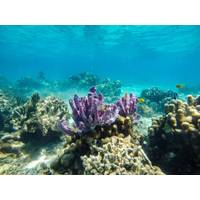
Coral Reefs off East Africa Could Die Out in 50 Years -Study
or communities who are dependent on it," said David Obura, a Kenyan marine ecologist at CORDIO East Africa and lead author of the study.Published in the journal Nature Sustainability, the study found warming temperatures to be the main driver, especially in the region's island nations like the Seychelles, while unsustainable fishing practices were the main culprit near the mainland.Mass bleaching events and marine heatwaves have wiped out 14% of the planet's coral reefs between 2009 and 2018, according to the Global Coral Reef Monitoring Network. Oceans absorb excess greenhouse gas emissions
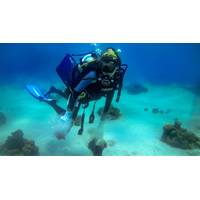
Professor Raquel S. Peixoto: The Coral Warrior
;the first mass bleaching (85 percent bleached) of the northern and far-northern Great Barrier Reef killed 29 percent of the reef’s shallow water corals. Bleaching also occurred in much of the western Indian Ocean, including 69 percent to 99 percent of corals bleached and 50 percent dead in the Seychelles.The third global bleaching event, from 2014 to 2017, brought mass bleaching-level heat stress to more than 75 percent of global reefs; nearly 30 percent also suffered mortality level stress. This bleaching event was the longest, most widespread, and most destructive on record.7Meet Professor Raquel
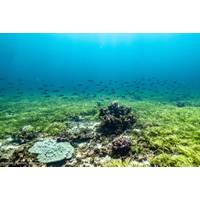
Shrinking Sea Meadows Store More Carbon Than Forests. Scientists Race to Track What’s Left
world, according to the U.N. Environment Program (UNEP). And scientists are now racing to take stock of what remains.“There are a lot of unknowns—even things as simple as how much seagrass we have,” said Oxford University earth observation scientist Gwilym Rowlands, who is helping the Seychelles government map the island nation’s seagrass and estimate how much carbon it stores.“If you look at the map data for seagrass, there are huge holes” in what we know.Seagrasses play a large role in regulating ocean environments, storing more than twice as much carbon from planet-warming
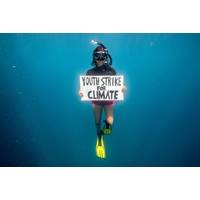
Mauritian Climate Activist Holds Underwater Protest to Protect Seagrass
;s land and ocean by 2030—an interim target that many scientists say must be met to address the dual crises of climate change and biodiversity loss.For Sandooyea, the Saya de Malha is also part of her home. The island nation of Mauritius shares jurisdiction over the surrounding seabed with the Seychelles. But while the remoteness of the seagrass fields hundreds of miles from shore has provided some protection up to now, the young activist scientist worries that could change if oceans become busier.Global shipping traffic increased four-fold between 1992 and 2012 with the Indian Ocean seeing one
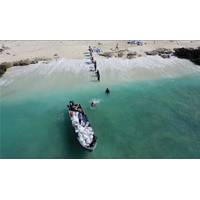
Ocean Trash: Putting a Price Tag on "Cleaning up Tuna Nets and Flip Flops" on the Aldabra Atoll
Following a five-week clean-up on Aldabra Atoll, one of Seychelles’ UNESCO World Heritage Site, where 25 tons of marine plastic litter was removed, researchers at Oxford University have estimated that the cost to clean up the entire island is approximately $4.68 million, requiring 18,000 hours of labor.This is the largest accumulation of plastic waste reported for any single island in the world.Their projected costs and recommendations were published recently in Nature Scientific Reports and it is reportedly the first time that the financial cost for removing the waste has been calculated.
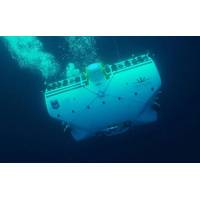
KAUST and Others Conduct Deepest Manned Red Sea Dive
new areas as possible with this, the deepest diving system on the planet, and investigate the 90 percent of the ocean that remains unexplored," said Vescovo. The next phase in the 2020 Caladan Oceanic Expeditions is in partnership with the Nekton organisation in the Indian Ocean to explore the Seychelles and Maldives



 August 2026