DNV Updates Seismic Guidance for Offshore Wind
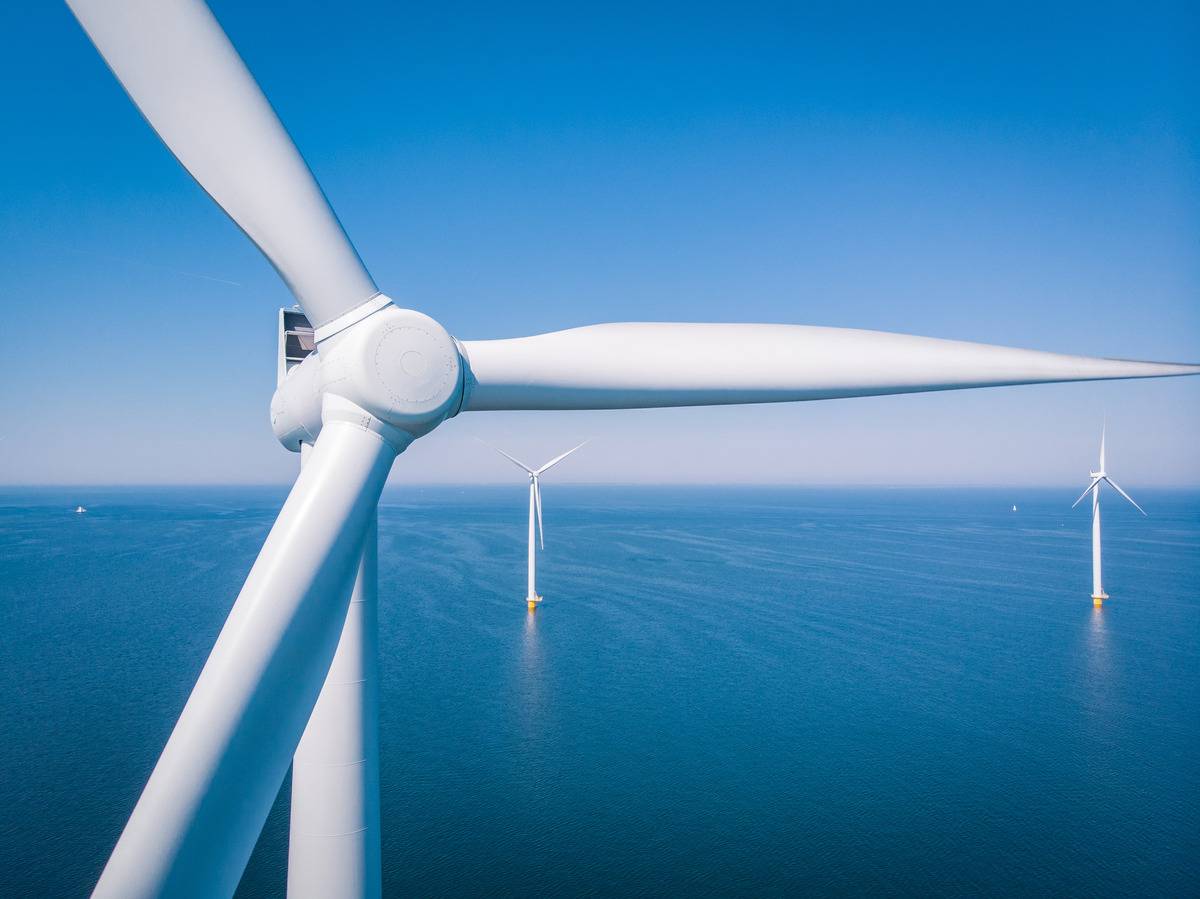
© Fokke Baarssen / Adobe Stock
Classifications society DNV has updated its recommended practice for the seismic design of onshore and offshore wind power plants, introducing enhanced guidance as wind development expands into earthquake-prone regions.
The updated DNV-RP-0585 Seismic Design of Wind Power Plants provides harmonized guidance for assessing and managing seismic risks during project design. It complements DNV standards covering wind turbines, support structures and offshore substations, while supporting projects designed in accordance with the IEC 61400 series.
According to DNV, the updated guidance reflects lessons learned from recent projects and the ACE 2-EVOLUTION joint industry project, which includes more than 20 companies from across the offshore wind value chain.
The 2026 edition includes updated seismic analysis methodologies and modelling requirements, revised recommendations for soil-structure interaction and foundation damping, additional guidance on seismic loading and ground motion selection, recommendations for identifying critical design positions within large wind farms, new guidance for installation vessels operating in seismic regions, and an appendix summarizing local seismic design requirements in Japan.
"Wind power projects are increasingly being developed in regions where earthquake loading is a primary design driver rather than a secondary consideration.
"The updated recommended practice provides the industry with consistent and transparent methodologies for seismic design, enabling safer and more reliable wind power projects in some of the world's most demanding environments,” said Mette Redanz, Vice President for Renewables Certification at DNV.
"Effective seismic design requires close alignment between turbine, foundation and geotechnical disciplines.
"This update reflects insights gained through international collaboration and practical project experience, providing engineers with clearer guidance while supporting consistency and confidence across the industry,” added Marcus Klose, Project Manager for the ACE joint industry project and Head of Section Offshore Technology and Innovation at DNV.


 August 2026