
X1 Wind Gets DNV Certification for Floating Wind Platform Design
(Credit: X1 Wind)
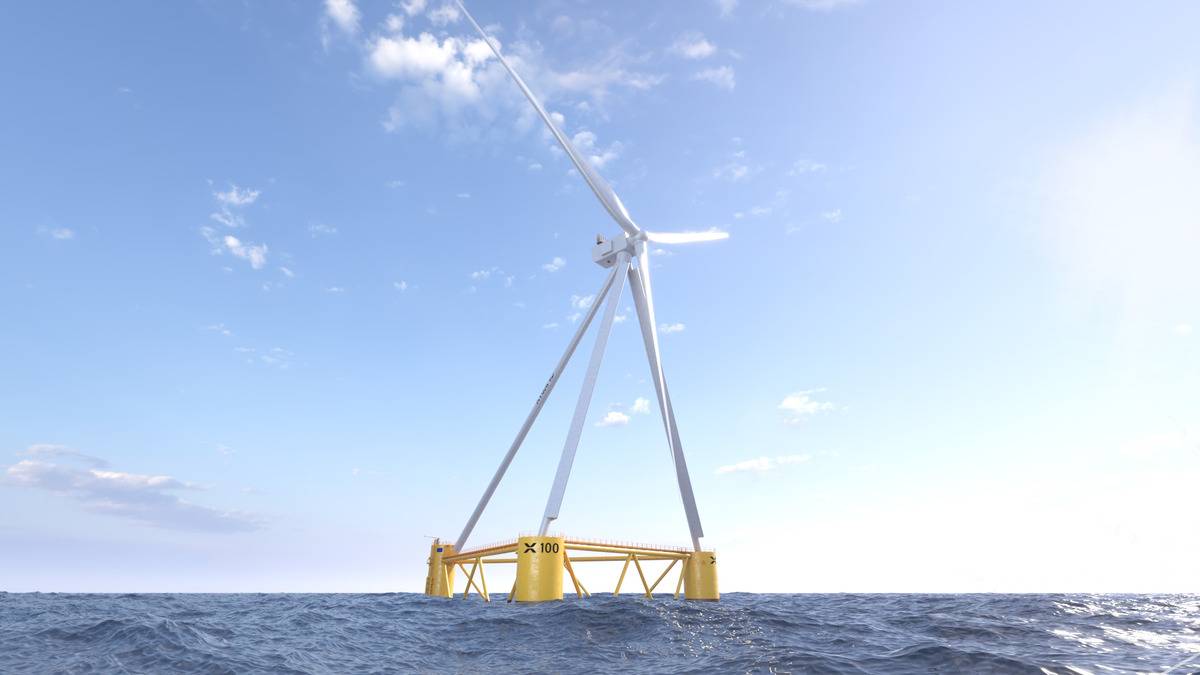
X1 Wind has received a Statement of Compliance for the basic design of its X100 floating offshore wind platform from classification society DNV, marking a key milestone in the development of the company’s floating wind technology.
The certification confirms that the X100 platform meets international engineering and safety standards under the DNV-SE-0442 certification framework for floating wind turbines.
DNV’s verification covered the platform’s structural design, stability and hydrodynamic performance, including its ability to withstand extreme wind, wave and current conditions expected over a 25-year service life.
The assessment also included validation of the calculation methods used in the platform’s design, along with its station-keeping system, weathervaning structure and turbine integration.
“Completing Basic Design certification for the X100 platform is a major milestone for X1 Wind. It demonstrates that our innovative design meets the highest international standards whilst greatly reducing the costs of floating offshore wind.
“This independent validation is crucial for both technical assurance and for building trust with our partners and future clients, and it serves as a very strong basis for the certification of our commercial-size units,” said Carlos Casanovas, Chief Technology Officer and co-founder of X1 Wind.
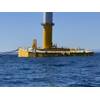
The X100 platform is scheduled to be deployed at the PLEMCAT test site in the Spanish Mediterranean Sea as part of the NextFloat project, an initiative led by Technip Energies and X1 Wind aimed at accelerating the industrialisation of floating offshore wind and lowering its levelised cost of energy.
Designed for turbines with rotor diameters of around 160 meters and power ratings between 6 MW and 10 MW, the platform is expected to operate offshore for several years to generate data supporting prototype certification and commercial-scale deployment.
X1 Wind said the certification will also accelerate development of its larger X150 platform, designed for turbines in the 15 MW to 20 MW range and already under contract for projects in Europe and Asia.



 February 2026