ECOsubsea ROV Detects Invasive Marine Species During Hull Cleaning
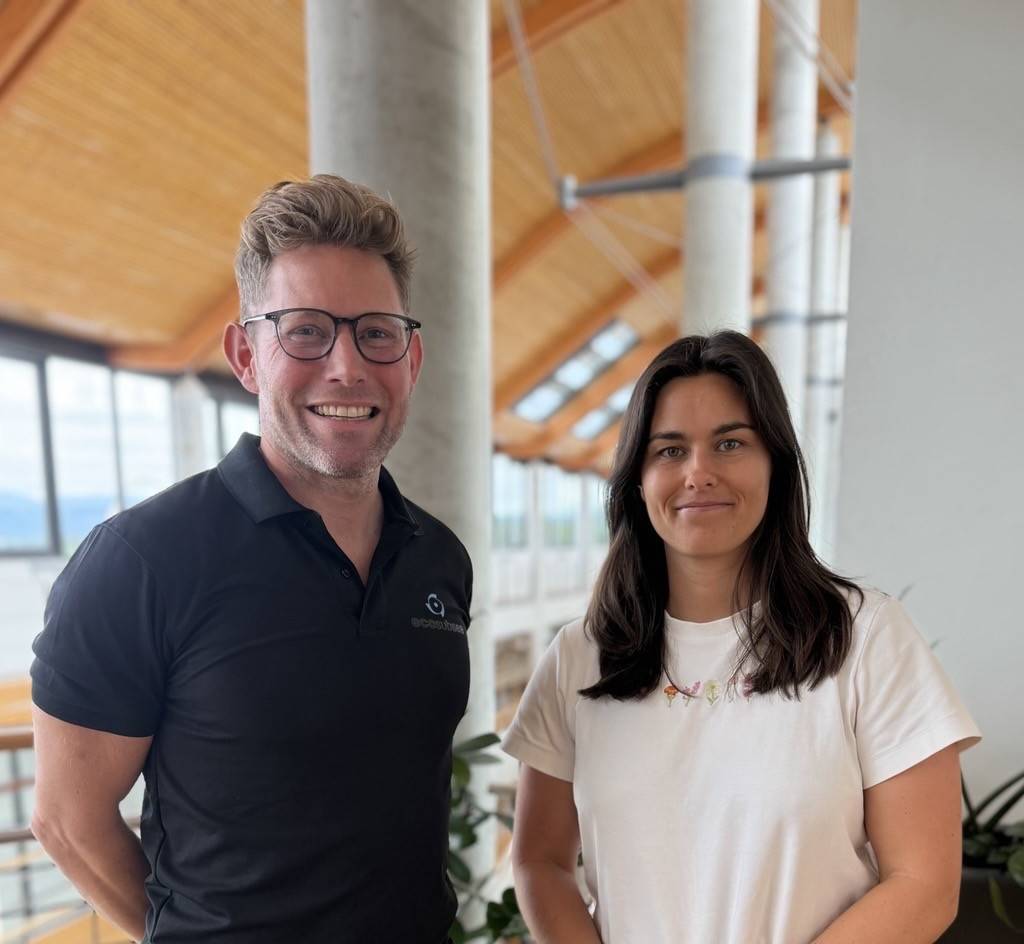
Tor Østervold, CEO of ECOsubsea and Abigail Robinson, Chief Sustainability Officer at ECOsubsea. Photo credit: ECOsubsea
ECOsubsea, a provider of marine technology, along with partners Norwegian Institute for Nature Research (NINA) and the Institute of Marine Research (IMR), have delivered a study on detecting invasive marine species from vessel hulls using environmental DNA (eDNA) that could impact port operations and marine administration policy.
The report demonstrates that waste and wash water removed from ships’ hulls, by techniques including ECOsubsea’s remotely operated hull-cleaning robots, can be analyzed in a laboratory to detect marine alien species on ships’ hulls. This will allow ports, policy makers and vessel operators to take proactive steps to address the issue of invasive species before these impact local environments.
With biofouling on ship hulls now recognized as the primary vector for the spread of marine invasive species globally, the findings of the study and techniques to analyze risk could become a pivotal tool in biosecurity and environmental protection.
Research findings
For the study, researchers analyzed five oil service vessels, four coastal express ships, one cargo ship, and one cruise ship calling at Tananger and Bergen. By using a genetic analysis method called meta-barcoding on the materials collected by ECOsubsea’s robots, scientists detected 19 alien species. Eight of these were identified as "doorknocker species," which are highly invasive organisms (including the carpet sea squirt) that are not yet established in Norway, but carrying a high risk of doing so.
The highest concentration was found on one international cruise ship, which carried 11 alien species, eight of which were exclusive to that vessel. eDNA sampling confirmed none of these doorknocker species had yet spread to the local harbor waters and had an impact on local ecosystems. The research also revealed that early stage, thinner biofouling actually contained more alien species than thicker, older growth, underscoring the necessity of early and routine hull maintenance.
The report can be read here.




 August 2026