
US Coast Guard Outlines Commercial Dredge Fishing Safety Risks, Recommendations
© dbvirago - stock.adobe.com
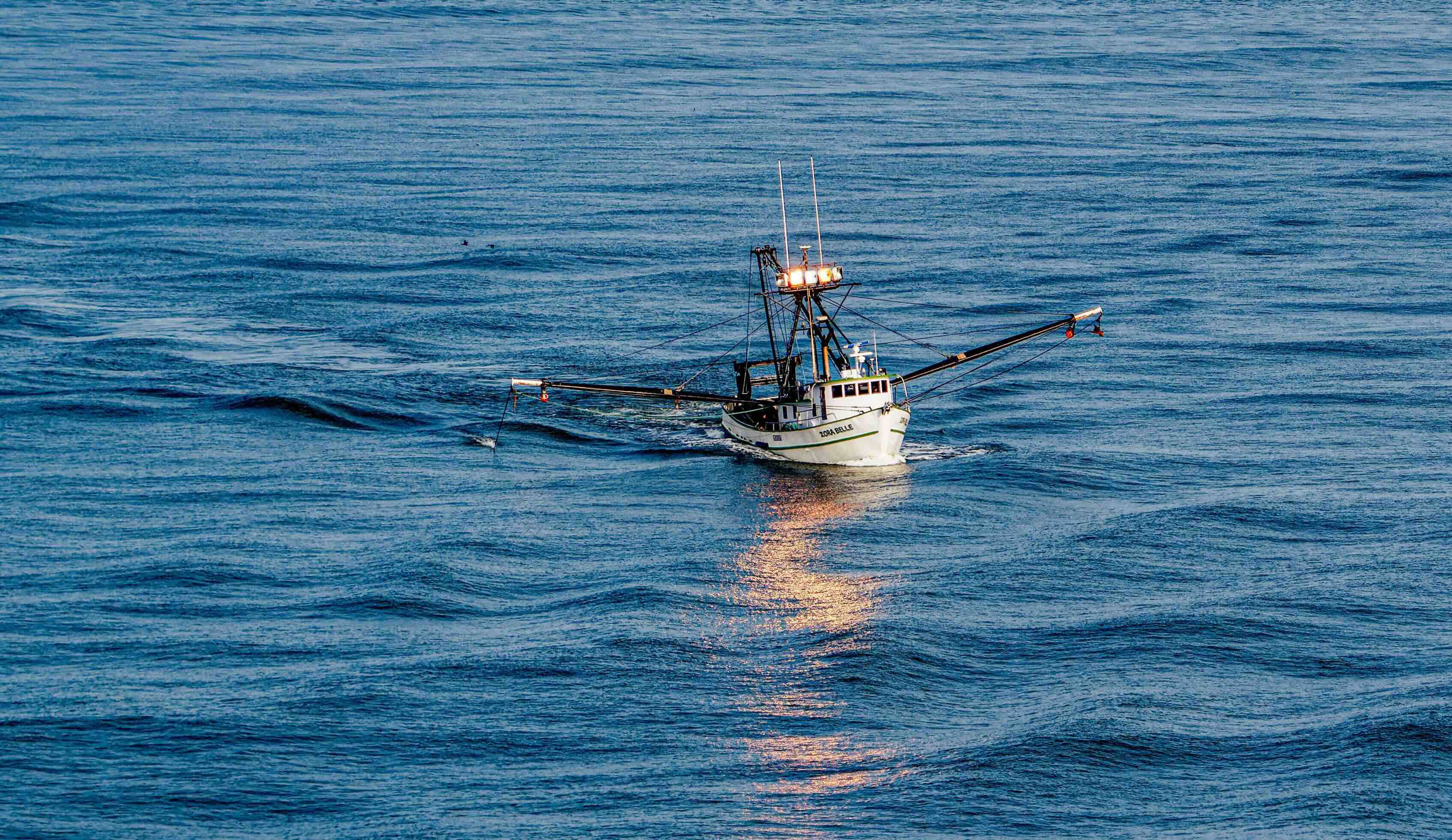
Recent marine casualties involving commercial fishing vessels (CF Vs), particularly those under 50 feet in length, have underscored the significant hazards associated with dredge fishing in cold-water environments.
In 2025, a tragic incident occurred off the coast of Cape Cod, resulting in the deaths of two mariners engaged in quahog fishing. The CFV was operating in an area unfamiliar to both the Master and deckhand when the dredge was inadvertently dragged over a rock pile, which is a common hazard encountered in the region. The dredge accumulated a substantial load of rocks and clams, exceeding 1,000 pounds. When raised above the gunwale for retrieval, the heavy load created a significant heeling moment, with the weight positioned high and outboard, which also raised the vessel's center of gravity. This unfavorable condition degraded the vessel's stability and was deemed a contributing factor to the capsize and subsequent sinking. Notably, the dredge lacked a mechanism for quickly releasing its catch in the event of an unintended or oversized haul.
The 30-foot vessel had previously documented stability concerns, as reported by community members and local authorities, and confirmed by a Coast Guard marine casualty investigation.
The investigation further revealed that the Master had recently upgraded the vessel's fishing gear and engine without conducting a follow-on stability analysis. A professional stability assessment may have identified a post-modification vulnerability and mitigated the risk of capsizing.
It is important to note that local Coast Guard marine safety personnel are available to assist in stability assessments or to help connect fishermen to appropriate third-party resources.
The Coast Guard strongly recommends that operators of CFVs be aware of the following items when commercially fishing:
Vessel Stability
- Vessels must be properly balanced and free from overloading, particularly when handling heavy equipment such as dredges that often result in high off-center weight during operations. Routine maintenance, thorough inspections, and strict adherence to loading limitations are essential to ensure vessel safety and operational integrity.
- Mariners are encouraged to consult the following resources on vessel stability, developed specifically for CFV operators:
- Best Practices Guide to Vessel Stability: Guiding Fishermen Safely into the Future (2nd Edition, 2003)
- The Danish Fisherman's Occupational Health Services Stability
Guide for Smaller Vessels (2014) - The Coast Guard's Commercial Fishing Industry Vessels Best
Safety Practices Guide that can be accessed at: Commercial Fishing
Industry Vessels Best Safety Practices Guide
Additionally, the New England Fishing Partnership non-profit offers a Fishing Vessel Stability Awareness Class throughout the year.
Dredge and Winch Operation
All dredging equipment, including winches, cables, and the dredge itself, should be routinely inspected for signs of wear and damage. Given the considerable weight and mechanical forces involved, it is essential that all gear remains in optimal condition to ensure safe operations. CFV operators are also encouraged to take the following actions:
- Keep the deck as clear as possible of unnecessary equipment and debris to prevent tripping hazards.
- Maintain clear and constant communication with all crew members, especially during critical operations like deploying and retrieving the dredge.
Environmental and Navigational Safety
Shellfish dredging operations must be conducted with a keen awareness of the surrounding environment. Mariners conducting these types of operations are encouraged to take the following actions:
- Be prepared for sudden changes in weather and sea state.
- Be aware of underwater obstructions, other vessels, and the boundaries of designated dredging areas.
- Crewmembers should consider wearing an activity appropriate
Personal Flotation Device (PFD) while on deck. - If fishing while water temperatures are -59°F (15°C) or colder, protective gear is especially critical and should be checked prior to each voyage, as the risk of cold shock, swimming failure with the rapid onset of hypothermia is significant.
By diligently following the above safety guidelines, dredge fishers can significantly reduce the risks associated with their profession and contribute to a safer and more sustainable industry.





 August 2026