DEEP Installs Pilot Subsea Habitat in Florida Keys
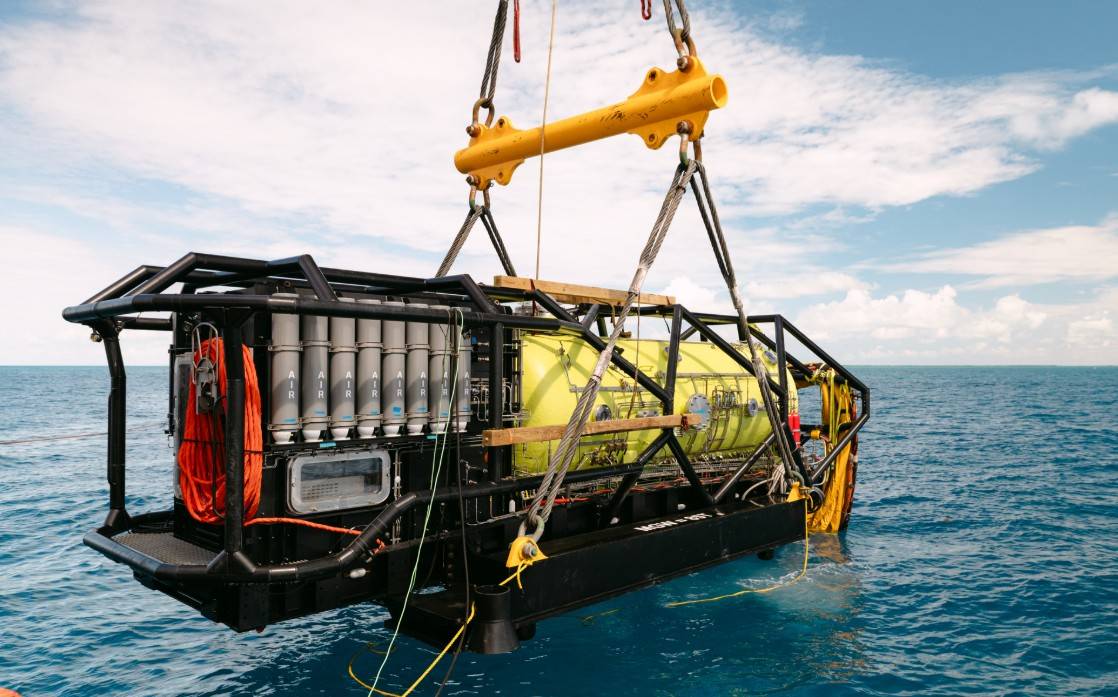
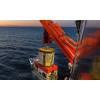
DEEP’s Vanguard (Credit: DEEP and Brendan Hall)
DEEP has completed the installation of its Vanguard pilot subsea human habitat at Tennessee Reef in the Florida Keys National Marine Sanctuary, advancing its infrastructure program and enabling the next phase of testing ahead of multi-day underwater research missions.
The habitat was installed following a marine operation that included placing an ocean floor foundation, securing the habitat to the foundation and tethering a nearby surface support buoy.
The system is located on the seabed at a depth of 17 meters and is designed to accommodate crews of up to four aquanauts on research missions lasting five or more days.
DEEP said sea acceptance testing and commissioning are now underway as the final steps toward classification by DNV, which has provided independent technical assurance throughout the habitat's design and construction.
Following commissioning, the company will begin habitat support crew training ahead of the first research missions at Tennessee Reef.
"Installing Vanguard at Tennessee Reef was a carefully choreographed marine operation with a lot of moving parts, and the culmination of 18 months of intense design, build, and testing efforts. Today is a huge milestone and an experience I'll never forget.
“Successful deployment gets us closer to enabling a continuous human presence in the ocean and is a major step forward in DEEP's mission to make humans aquatic.
“From Vanguard we can expand meaningful access to the underwater environment and unlock new possibilities in marine science, environmental monitoring, human performance and extreme environment training," said Norman Smith, Chief Technology Officer at DEEP.
 DEEP’s Vanguard (Credit: DEEP and Brendan Hall)
Vanguard will support research activities including coral reef restoration, long-term reef monitoring, climate impact studies, marine ecology surveys, human physiology research, testing of ocean sensors and sampling tools, astronaut and extreme-environment training, and live educational outreach.
"For decades, NOAA has supported using subsea habitats as a platform to reveal ground-breaking discoveries that inform the sanctuary's management well into the future.
“The deployment of a new subsea habitat within the sanctuary creates additional opportunities for marine science and builds on research infrastructure, resource stewardship, and our long-standing collaboration with the scientific community," added Eddie Kertis, superintendent of Florida Keys National Marine Sanctuary.
DEEP expects Vanguard to provide operational experience for the development of Sentinel, a larger modular subsea habitat system. Aside from DEEP, other partners in the Vanguard project include Unique Group, Bastion Technologies, Triton Submarines, and Resolve Marine.


 August 2026