

Methane Hydrate Mining Could Soon Become Economically Viable
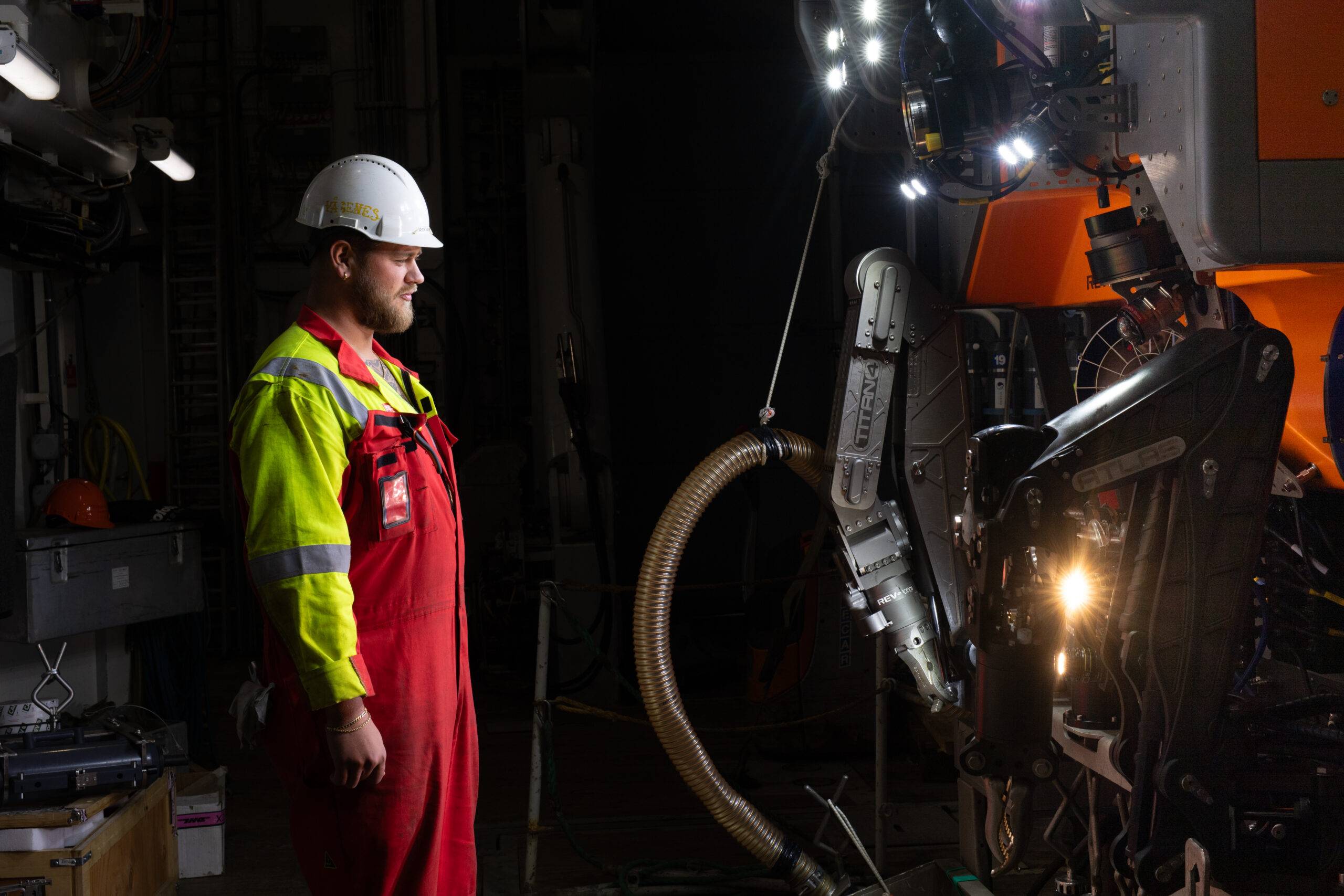
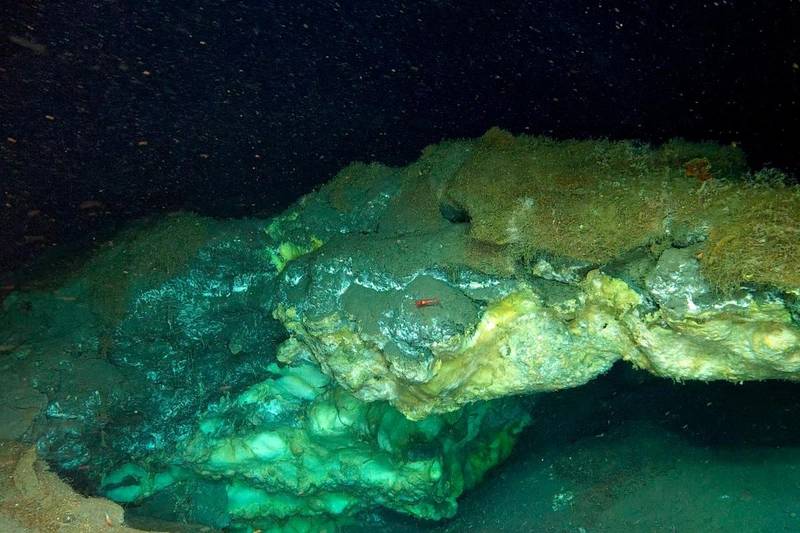
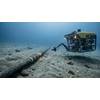
Images courtesy of Ocean Census
In October 2025, the flame used in the lighting ceremony for China's 15th National Games was sourced from methane hydrate, or combustible ice, harvested from a depth of 1,522 meters in the South China Sea.
Symbolic of the rising interest in methane hydrate as an energy source, the move coincides with increasing attention from researchers in Asia and around the world.
Gas hydrates are a crystalline solids that look and act much like ice but contains huge amounts of methane. They exist in marine sediments or in association with Arctic permafrost and are not stable at normal sea-level temperatures and pressures.
The United States Geological Survey has estimated that methane hydrates could contain twice the amount of carbon as all of the coal, oil, and conventional natural gas in the world combined.
Discoveries continue to be made. A team of international scientists from the Arctic University of Norway discovered the deepest known gas hydrate cold seep to date located 3,640 metres below the surface on the Molloy Ridge in the Greenland Sea in 2024.
The storage and transport of natural gas in solid hydrate form, known as solidified natural gas (SNG), offers a promising alternative to conventional methods such as LNG and compressed natural gas, says a team of international researchers in a newly published studyon the economics of using it as an energy resource. Unlike LNG, which requires cryogenic temperatures and high-pressure systems, SNG can be produced and handled under more moderate conditions.
“The formation process of gas hydrate is actually an enrichment process of gas and water. And the hydration number under ideal circumstance also indicates that the potential of hydrocarbon stored in hydrate is enormous. For instance, if all the empty cavities of hydrate are filled, 1 volume of hydrate can store up to 182 volume of natural gas at standard temperature and pressure.”
This is equivalent to highly compressed natural gas, so it could be a promising medium for natural gas storage and transportation. Additionally, the formation and dissociation process of natural gas hydrate only involves the combination and decomposition of natural gas and water molecules, making it a relatively clean technology.
However, the economic viability of methane hydrates also depends on factors such as reservoir conditions, production efficiency and gas sales prices. Technology development is on-going to overcome issues such as hydrate dissociation, sediment collapse and unstable gas yield.
Gas hydrates can potentially help countries such as Japan and India which rely heavily on energy imports. Japan is already aiming to have private methane hydrate mining companies operational in its seas by 2030.
Despite the potential for transport of solid material, a newly released study by Japanese researchers evaluated how offshore production platforms could be used to process the hydrates before transporting the gas to shore via a subsea pipeline. “This method is considered one of the promising concepts because existing offshore oil and gas development technologies can be applied, and integrated operation from production to processing and transport is possible.”
They are optimistic about the pace of development. Oil and gas concentrated zones are high-temperature, high-pressure environments, so production equipment used is designed to handle that environment, whereas methane hydrates exist in lower temperatures, so designing equipment optimal for methane hydrate development has the potential to lower construction costs.
The researchers also note that due to technological improvements and production maturity, shale gas production costs decreased by 30% in a short period. Methane hydrate technology development could therefore drastically challenge existing methane extraction cost structures.
However, others have voiced concerns about mining methane hydrates as it could release vast quantities of methane into the atmosphere or lead to oxygen depletion and acidification of ocean waters.
As for the Molloy Ridge discovery, Giuliana Panieri, Professor at the Arctic University of Norway and Chief Scientist of the expedition says: “We found an ultra-deep system that is both geologically dynamic and biologically rich. These findings have implications for biodiversity, climate processes and the future stewardship of the High North.”






 August 2026