
Subsea Cable Sabotage: Underwater, Underprotected, and Under Attack!
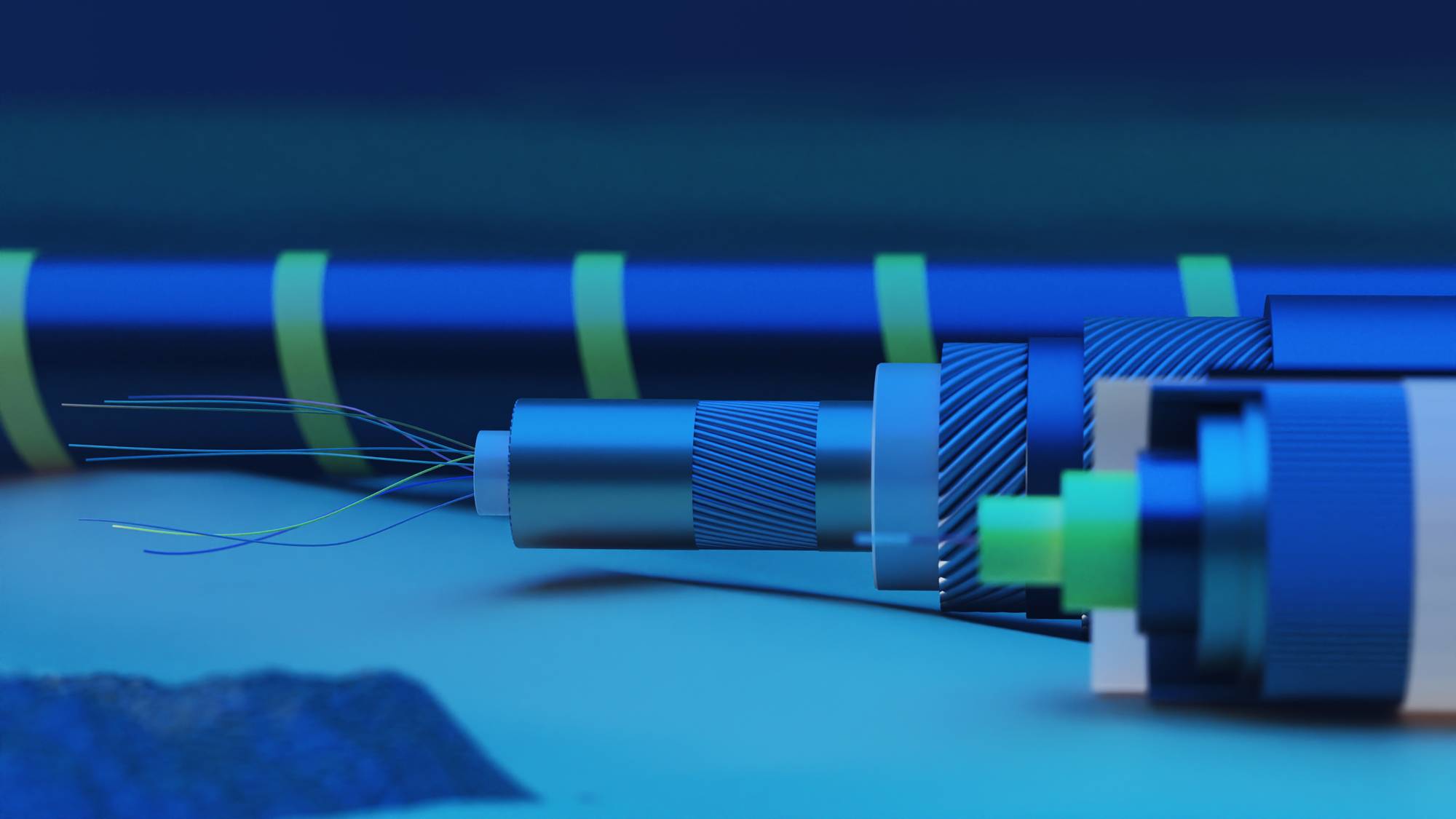
Critical undersea cables are vulnerable to sabotage. Credit: Adobe Stock/jesada
Around the 6th September 2025, 15 undersea cables in Bab el-Mandeb Strait in the Red Sea were severed, resulting in increased latency and widespread disruptions in internet provision across the Middle East and South Asia. As this incident illustrated, modern communications are profoundly dependent on vulnerable sub-sea infrastructure. This comes against a backdrop of increased hostile action against subsea cables, with the UK and Japan both recently announcing measures to secure vital cable infrastructure.
While the most recent damage appears to have been accidental, it further illustrates the deficiencies of the international legal regime for management and protection of these vital assets.
Geopolitical context
The Red Sea is an area of major geopolitical interest. It sits between Africa and Asia, and is surrounded by States who are major players in energy industries. The region is also characterized by geopolitical tension, with Saudi Arabia and Iran vying for supremacy and large external powers like the US and China exercising considerable influence over relations in both Africa and the Middle East. The Houthis, an opposition military group operating from Yemen, have since October 2023 attacked many ships in the Red Sea, prompting speculations that it was they who damaged the undersea cables in question.
Why are cables a prime target for hostile actors?
Undersea cables are major points of interest for hostile actors of both state and non-state varieties for three chief reasons – strategic importance, ease of interference and plausible deniability. First, they are vitally important to States since they are the primary means by which telecommunications are transmitted. This means that a vast range of infrastructural domains depend on undersea cables to function – for example, finance, healthcare, and the media.
Secondly, cables are rather easy to interfere with. Their locations are publicized, largely to prevent innocent unaware ships from accidentally damaging them. They also tend to be unguarded and located at a sufficiently shallow depth that they are reachable without much difficulty.
Crucially, they are also surprisingly fragile – they tend to be constituted by a bundle of glass fibres surrounding a metal core that provides structural support but lack much further physical reinforcement. This ties into the third reason – it is easy for an actor to damage an undersea cable but to then assert that the damage was merely an accident.
Liability: What legal recourse is available?
The existing legal regime provides scant protection to affected States. Historically the leading instrument for protection of cables was the 1884 Convention for the Protection of Submarine Telegraph Cables, to which a limited number of maritime states are party. More recently, the UN Convention on the Law of the Sea 1982 provides additional, but still deficient, protections.
In outline, UNCLOS requires States to enact criminal legislation prohibiting the willful (or culpably negligent) damaging of undersea cables (Article 113). It also provides for compensation to be paid where one cable-owner damages the cable of another (Article 114). This regime presents a number of difficulties:
- Jurisdictional – States do not have universal jurisdiction over the cutting of underseas cables. As a general rule, in the high seas, only the flag State (i.e. the State to which the ship that damages the cable is registered) has jurisdiction to prosecute.
- Scope – UNCLOS does not impose an express international law obligation on states not to deliberately damage or interfere with cables.
- Implementation – in practice States have not implemented the regime – they either have not passed criminal legislation at all or have merely provided for the exaction of monetary fines, surely insufficient to deter the commission of the offence.
The sparse legal framework protecting undersea cables is a hangover from the relatively marginal importance afforded by States to these cables in the eras in which the legal protections were enacted. The vital significance of these cables for modern communications as well as the growth in informal conflict between states demands improvements to the international law regime. Such improvements would include:
- A strengthened jurisdictional regime.
- A clear international law obligation on states not to interfere with cables, with consequences for such interference.
- A strengthened regime for private commercial actors (such as telecoms companies and cable operators) to seek compensation in cases of deliberate damage.
About the author
 David Hunt. Credit: David Hunt
David Hunt, partner at Boies Schiller Flexner, specialises in international arbitration, representing clients in complex multijurisdictional disputes, investor-state matters, fraud claims, and high-stakes global enforcement proceedings.







 August 2026