
Modernizing UXO Detection: Smarter, Safer, and Built on Better Data


-
 Copyright SerrNovik/stock.adobe.com - Image courtesy Seequent
-
 Copyright koiguo/Getty Images - Image courtesy Seequent
-
 Copyright corlaffra/stock.adobe.com - Image courtesy Seequent
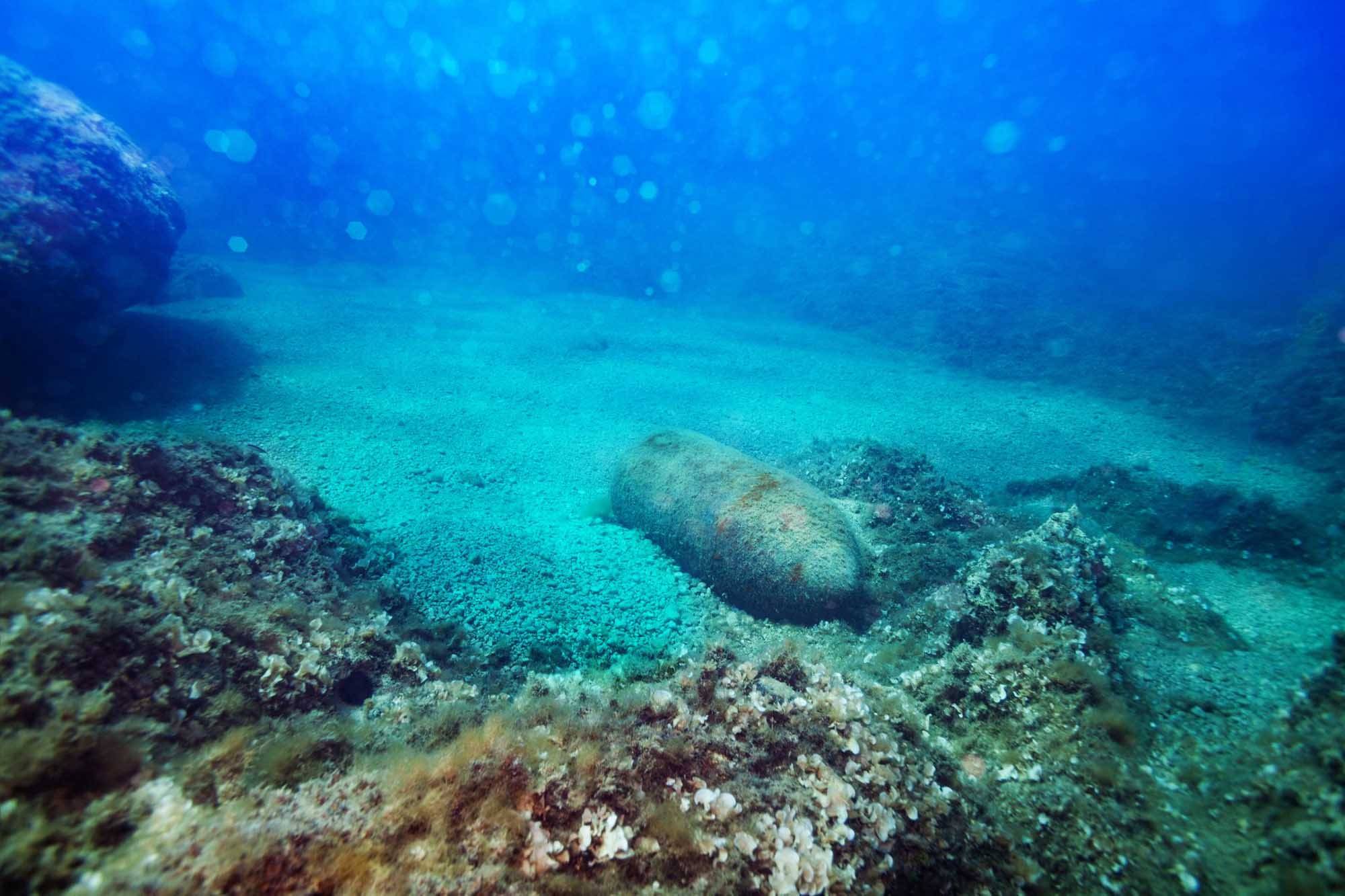


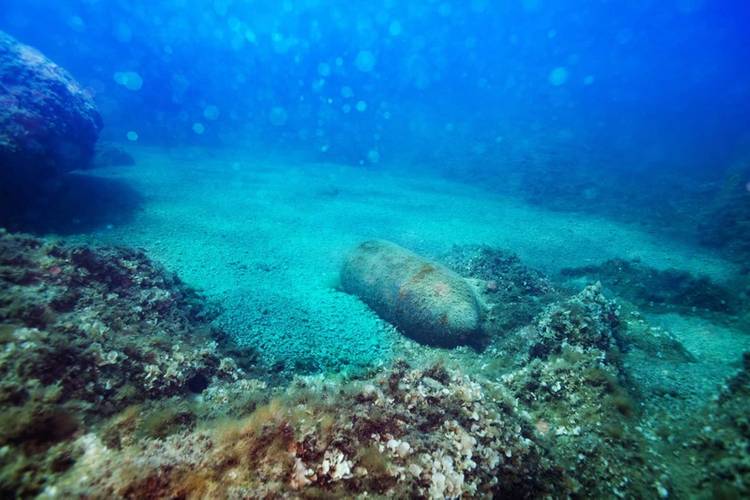
Unexploded ordnance (UXO) remains one of the most pressing challenges for marine infrastructure projects worldwide. With more than 80 countries affected, 110 million landmines still hidden, and 20,000 deaths annually, the need for effective UXO detection has never been more urgent—or more complex.
Before offshore wind farms or subsea cables can be installed, UXO campaigns must clear the seabed of dangerous items. These operations are essential for safety but come at a high price: vessels costing upwards of £50,000 per day, investigating just ten targets daily. Yet, recent analysis shows that only 4% of investigated targets are actual UXO—highlighting enormous potential for optimization.
Smarter Target Reduction and Advanced Algorithms
Industry innovators are responding. Seequent, a global leader in subsurface software, is helping transform UXO detection through advanced geophysical tools like Oasis montaj and its UXO extensions. These solutions unify disparate datasets, streamline workflows, and enable consultants to extract maximum insight from magnetic data—reducing time, cost, and risk.
One of the most exciting developments comes from Jack Brighouse, founder of ALM Geophysics, who has spent over three years developing the ALM Classifier. This sophisticated optimization algorithm compares new magnetic responses against thousands of historical UXO signatures, providing unprecedented confidence in target classification. With over 3,000 targets already in the system—including 230 confirmed UXO—the classifier is proving its potential to cut unnecessary investigations and save millions.
“When you’re paying £50,000 a day for a vessel, even a 10% reduction in targets represents huge savings,” says Brighouse. “But it’s not just about cost—it’s about making smarter decisions and demystifying UXO detection.”
The Foundation: Good Data Matters
While new workflows and algorithms are transforming UXO detection, one principle remains unchanged: “Garbage In, Garbage Out.” Even the most advanced tools cannot deliver accurate results without clean, reliable data. A solid foundation of quality data is the most important piece of the puzzle.
An accurate interpretation depends on careful data cleaning and correction—steps that are often treated as optional but are critical for success. Corrections for issues like sensor lag, navigation errors, heading, background noise, sensor levels, and altitude must be applied consistently to ensure confidence in the final dataset.
Beyond these basics, strategic processing decisions matter. Knowing when inversion should or shouldn’t be applied, how to use signal-to-noise separation effectively, and realistically assessing confidence in depth models can dramatically improve outcomes. By taking the time to ensure your starting data is the best it can be, you enhance the accuracy of your interpretation and maximise the effectiveness of every tool you use.
The Future of UXO Detection
The future lies in combining quality data, smart algorithms, and modern technology—from AI and drones to advanced geophysics. These innovations are not only improving efficiency—they’re making infrastructure projects safer for everyone.
Meet Us at Oceanology International 2026
Join Seequent and leading experts at Oceanology International 2026 to explore how modern technology is reshaping UXO detection. Visit us at Stand R301 for demonstrations of Oasis montaj UXO workflows, and discover how you can make your next marine project safer, faster, and more cost-effective. Secure your Free Oceanology ticket here.
Download our free eBook, “Modernising UXO Clean-up,” to explore these breakthroughs in detail and hear from experts driving change across the sector.
Seequent, The Bentley Subsurface Company, helps organisations to understand the underground, giving them the confidence to make better decisions faster. Seequent builds world-leading technology that is at the forefront of Earth sciences, transforming the way our customers work. Every day we help them develop critical mineral resources more sustainably, design and build better infrastructure, source renewable energy, and reduce their impact on the environment. Seequent operates in 145+ countries while proudly maintaining headquarters in New Zealand.






 August 2026