Underwater acoustic monitoring: safeguarding marine life in harbour expansion projects


-
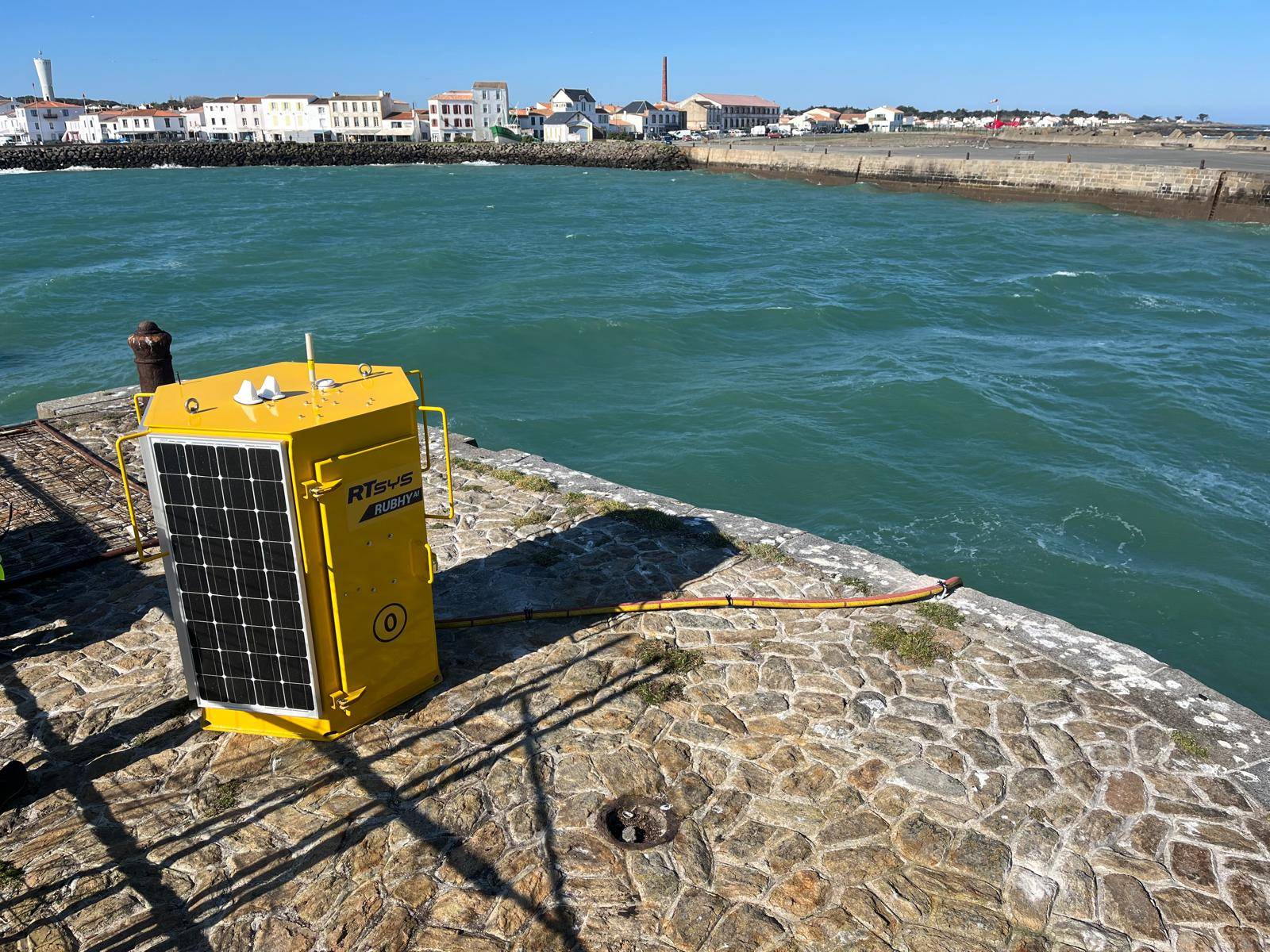
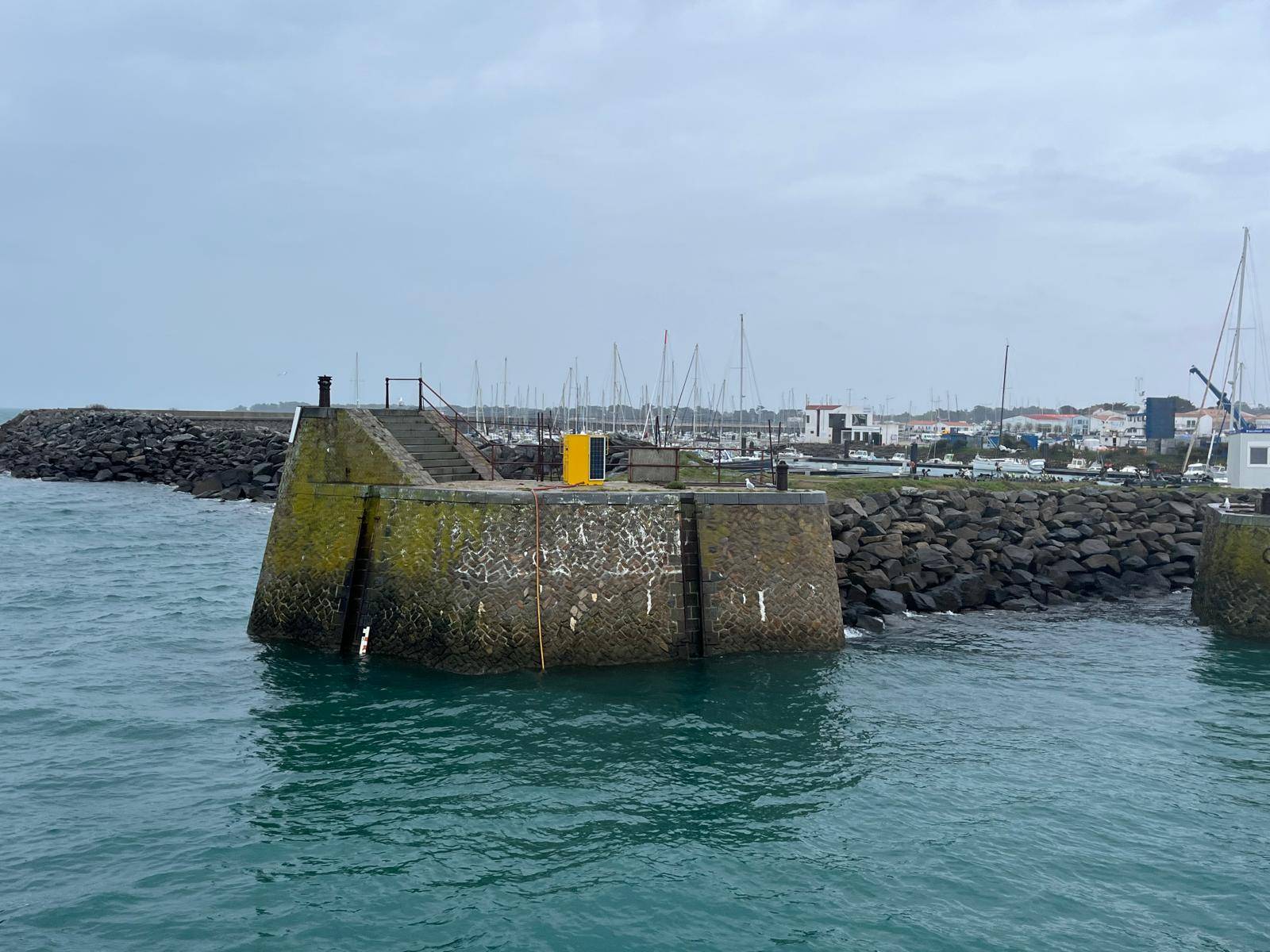
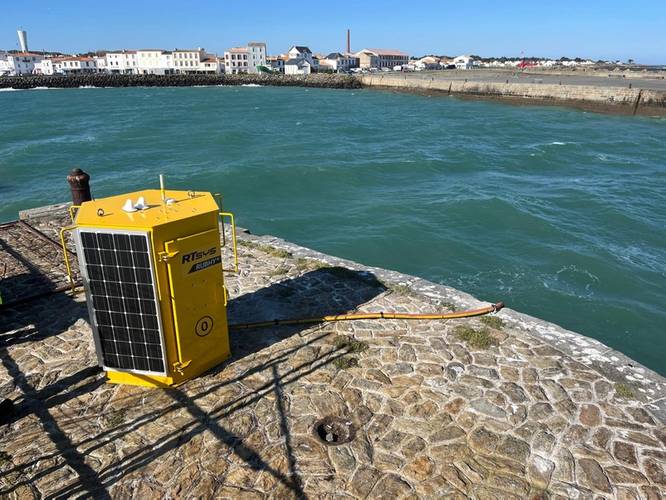 Real-time noise & mammal monitoring from the quay (4G data transmission). Credit: Somme France
-
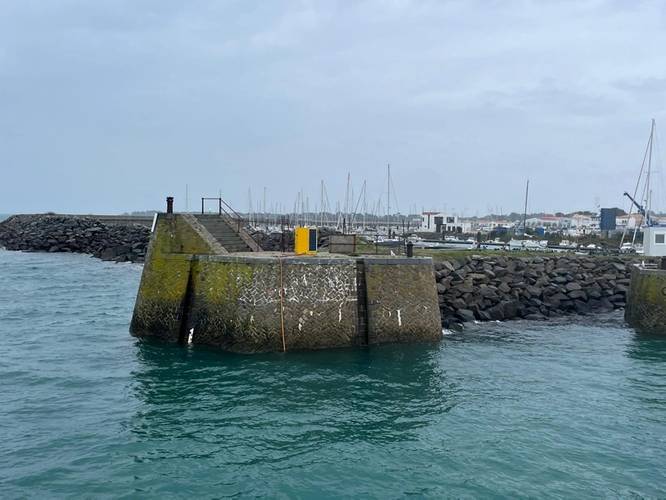 Real-time noise & mammal monitoring from the quay (4G data transmission). Credit: Somme France
-
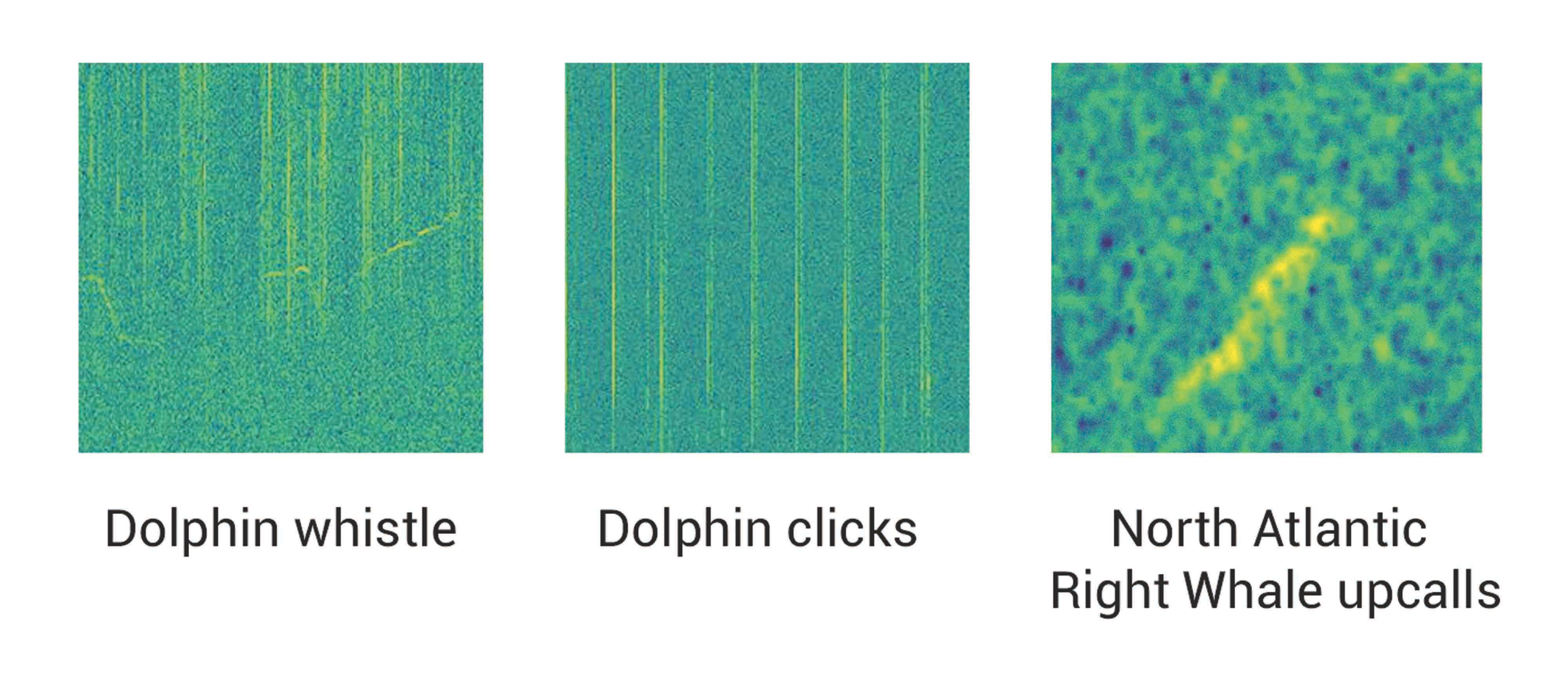
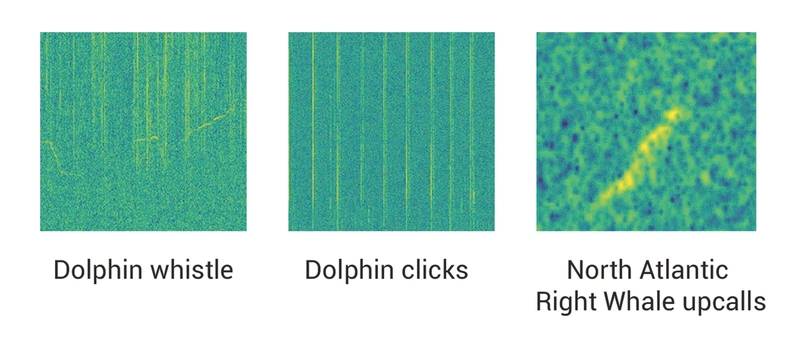 AI-powered detection and classification of marine mammals vocalizations. Credit: RTsys Underwater Technologies
The world’s ports are expanding at an unprecedented rate. Driven by the rapid growth of offshore wind energy, increasing global trade, and the need to accommodate ever-larger vessels, harbor extension projects have become a cornerstone of modern maritime infrastructure development. However, beneath the surface of these engineering achievements lies a significant environmental challenge: underwater noise pollution. Construction activities such as pile driving, dredging, and rock placement generate intense sound levels that can severely disrupt marine ecosystems. To address this issue, underwater acoustic monitoring has emerged as an essential tool, enabling port authorities and construction firms to mitigate the impact of noise on marine life while ensuring regulatory compliance.
This article explores the critical role of underwater acoustic monitoring in harbor expansion projects, examining its technological foundations, regulatory frameworks, and real-world applications through case studies in Europe and the Caribbean.
The environmental impact of underwater noise in port construction
Marine construction activities produce three primary types of underwater noise, each with distinct characteristics and ecological consequences. The first is impulsive noise, generated by activities such as pile driving and rock placement. These sounds are characterized by their high intensity and short duration, with levels reaching up to 260 decibels relative to 1 µpascal at 1 meter. For marine mammals, which rely on sound for communication, navigation, and hunting, exposure to such noise can result in permanent hearing damage, behavioral disruption, and even physical injury or death.
The second type is continuous noise, typically produced by dredging operations and vessel traffic. While less intense than impulsive noise, continuous noise can mask biological sounds, interfere with echolocation, and cause chronic stress in marine species. Studies have shown that prolonged exposure to continuous noise can lead to habitat displacement, reduced reproductive success, and increased vulnerability to predation.
The third category is chronic noise, which persists after construction has been completed. This includes the operational noise from increased vessel traffic, which can alter the acoustic environment of entire regions. Chronic noise has been linked to long-term changes in marine animal behavior, including shifts in migration patterns and feeding grounds.
Regulatory frameworks governing underwater noise
Recognizing the threats posed by underwater noise, governments and international organizations have implemented a range of regulations to mitigate its impact. In the European Union, the Marine Strategy Framework Directive (MSFD) requires member states to monitor and reduce underwater noise to achieve "Good Environmental Status."
In the United States, the Marine Mammal Protection Act (MMPA) and the Endangered Species Act (ESA) mandate the use of mitigation measures, such as exclusion zones and real-time monitoring, to protect marine mammals during activities like pile driving and dredging.
The role of passive acoustic monitoring
Passive Acoustic Monitoring (PAM) involves the use of hydrophones to detect and analyze underwater sounds. Unlike active sonar, which emits sound waves, PAM systems simply listen to the acoustic environment, making them ideal for monitoring marine life without causing additional disturbance. PAM systems can be deployed in various configurations, autonomous recorders, and real-time monitoring buoys, depending on the specific requirements of a project.
One of the key advantages of PAM is its ability to provide real-time data. RTsys Underwater Technologies, a world leader in the design and manufacture of PAM systems is even enhancing the PAM capabilities by providing advanced software that can automatically detect the vocalizations of marine mammals, such as dolphin clicks and whale vocalizations. When these sounds are identified, the system autonomously trigger alerts, allowing construction teams to implement mitigation measures, such as shutting down operations or reducing the power of machinery.
PAM systems can be used for long-term acoustic surveys. By deploying hydrophones before, during, and after construction, researchers and regulators can establish baseline noise levels, assess the impact of construction activities, and evaluate the effectiveness of mitigation measures. This data is invaluable for ensuring compliance with environmental regulations and for informing future projects.
Case studies: PAM in action
Two notable examples are the port expansion projects in Pointe-à-Pitre, Guadeloupe, and Joinville, Île d’Yeu, France.
The extension of Quay 12 at the Port of Pointe-à-Pitre in Guadeloupe involved the construction of a 120-metre quay to accommodate larger vessels. The project presented significant environmental challenges, as the surrounding waters are home to protected species such as the Antillean manatee and the Guiana dolphin. To minimize the impact of construction noise, a comprehensive PAM system was deployed, including a buoy-based recorder. The system was used to monitor noise levels in real time, with automated alerts triggering when predefined thresholds were exceeded. This allowed construction teams to adjust their activities to stay within regulatory limits and avoid disturbing marine life.
The adaptation of Port Joinville on Île d’Yeu for the maintenance of offshore wind farms presented a different set of challenges. The port required extensive dredging and quay reinforcement to accommodate maintenance vessels, activities that posed a risk to local dolphin and porpoise populations. To address this, a five-month PAM monitoring program was implemented combining real-time acoustic observations, both marine mammals and noise monitoring, along with with visual surveys. The system, which included RTsys PAM surface system – not buoy- equipped with AI-powered detection software, was able to identify directly from the harbor’s quay the presence of dolphins and porpoises in the construction zone (no need for large logistic management at sea, reducing costs and risks).
Technological innovations in underwater acoustic monitoring
The field of underwater acoustic monitoring is evolving rapidly, driven by advances in technology and increasing regulatory pressure. One of the most significant developments is the integration of Artificial Intelligence (AI) into PAM systems. AI-powered software, such as RTsys Rubhy AI, can automatically detect and classify the vocalizations of marine mammals. Spectrograms and audio samples are forwarded to a custom web platform for expert review.
Conclusion
Underwater noise pollution is a significant environmental challenge associated with harbor expansion projects. However, through the use of Passive Acoustic Monitoring (PAM), port authorities and construction firms can mitigate the impact of noise on marine life while ensuring compliance with regulatory requirements. As the demand for port infrastructure continues to grow, the adoption of PAM and other noise mitigation technologies will be essential for balancing economic development with environmental protection.



 August 2026