Where Art Meets the Ocean Floor: Asia's First Living Underwater Museum Takes Shape Off Cambodia’s Coast
© Adobe Stock/libin
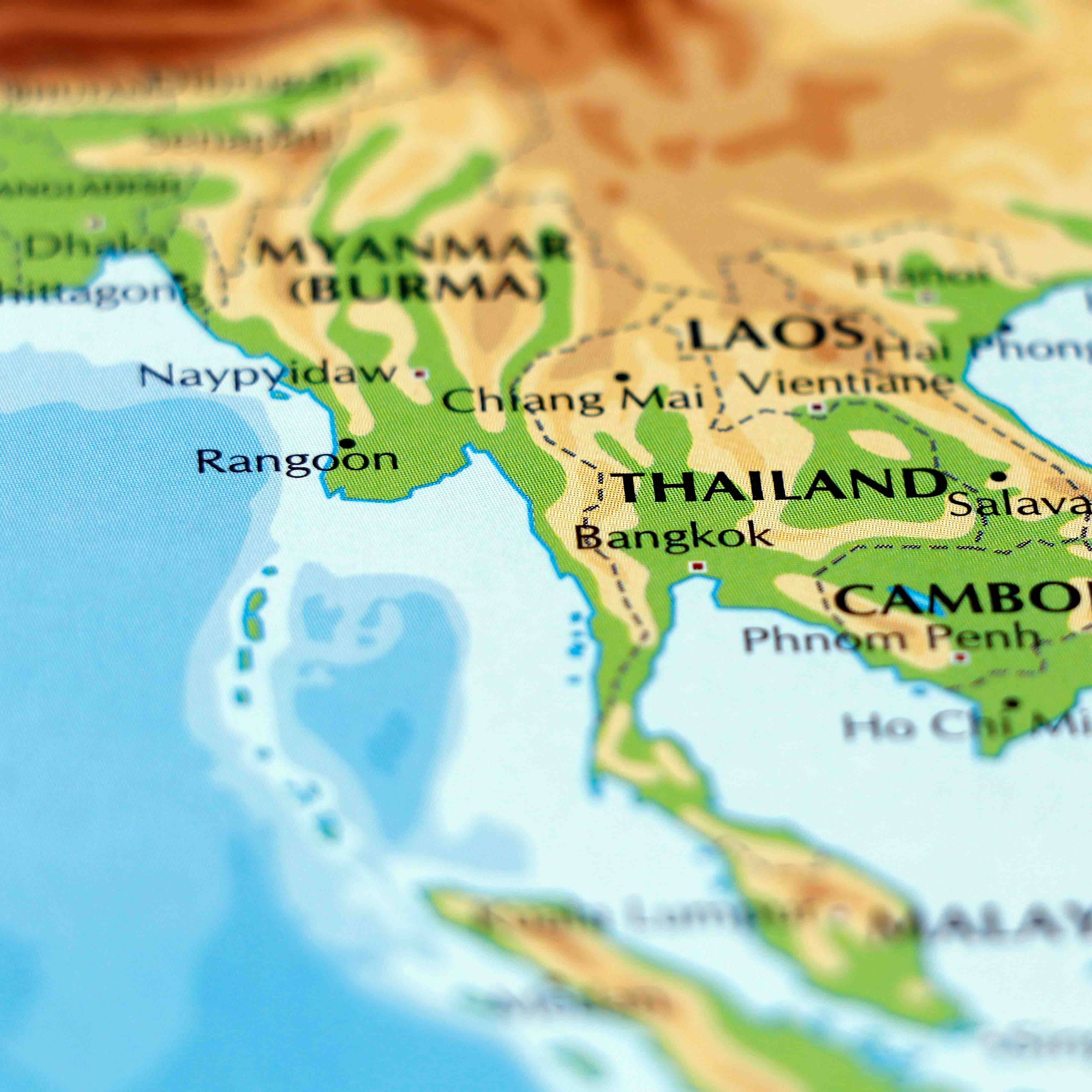
Off the coastline of Kep, where Cambodia meets the sea, a new kind of institution is beginning to take shape beneath the surface. Knai Bang Chatt by Kep West, together with Art for Kep and Marine Conservation Cambodia, has unveiled plans for the S.E.A. Ocean Gallery, Asia’s first large scale underwater museum where contemporary art, marine regeneration, and cultural narrative converge.
Positioned approximately 8.5 kilometers offshore within a protected Marine Fisheries Management Area, the Ocean Gallery is conceived as a living museum that evolves over time, shaped equally by artists, communities, and the ocean itself.
At its core, the project challenges the very definition of sculpture. Each work will be 3D printed using advanced mineral and geopolymer materials, designed to form complex, porous structures that mirror natural reefs. Over time, these installations will become habitats, colonised by coral, marine life, and seagrass, transforming artwork into living ecosystems.
Each commission will be curated around themes such as memory, justice, climate, myth, and identity, ensuring that every piece resonates as powerfully in global catalogues and biennales as it does on the seabed. In this way, the Ocean Gallery positions itself as a new cultural platform where art speaks both to the ocean and to the world.
“This is not about placing objects underwater,” says Jef Moons, Founder of Knai Bang Chatt and Art for Kep. “It is about creating a space where art becomes part of life again, where it breathes, evolves, and ultimately disappears into something larger than itself.”
A Site Chosen With Precision
Environmental surveys identified Koh Karang within the Kep archipelago as the most suitable location for the gallery. Areas with stable hard substrate, gentle slopes, and minimal ecological disruption were selected to ensure both structural integrity and environmental sensitivity, while avoiding existing coral habitats.
With strong visibility conditions and natural protection from seasonal winds, the site offers a rare combination of accessibility, ecological viability, and long-term resilience required for such an ambitious undertaking.
A New Cultural Institution, Not a Replica
While the Ocean Gallery acknowledges global precedents, its ambition is distinct. It is envisioned as Asia’s first artist led, curatorially rigorous underwater institution, rooted in Cambodian culture and coastal identity.
The project has already received in principle support from Cambodia’s National Committee for Coastal Development and multiple ministries including Culture and Fine Arts, Education, Tourism, and Environment.
Looking ahead, the initiative is entering dialogue with potential founding partners including leading global cultural institutions such as Sotheby’s and M+, alongside architects, curators, and foundations who will help shape the gallery’s first decade of commissions.
Art as Ocean Stewardship
Beyond its artistic ambition, the Ocean Gallery is designed as a long-term platform for regeneration, education, and community engagement. Through partnerships with scientists and universities, the site will function as a living laboratory for marine research, materials innovation, and regenerative design. Parallel digital experiences, from virtual dives to augmented reality exhibitions, will extend access beyond divers, transforming the Ocean Gallery into a global educational tool.
Locally, the project is expected to support jobs across tourism, conservation, and creative industries, while embedding community voices at every stage of its development.
“What makes the Ocean Gallery unique is that it is not simply an installation, but a carefully designed marine habitat,” says Paul Ferber, Founder and International Project Leader, Marine Conservation Cambodia. “Each structure is engineered to support biodiversity, from coral attachment to fish shelter, while respecting the existing ecosystem. It represents a model where art and science work together to actively restore marine environments.”
A 10 Year Vision Beneath the Surface
With a projected 10-year development roadmap, the S.E.A. Ocean Gallery aims to position Kep as a regional hub for art, ocean, and climate dialogue by 2035.



 August 2026